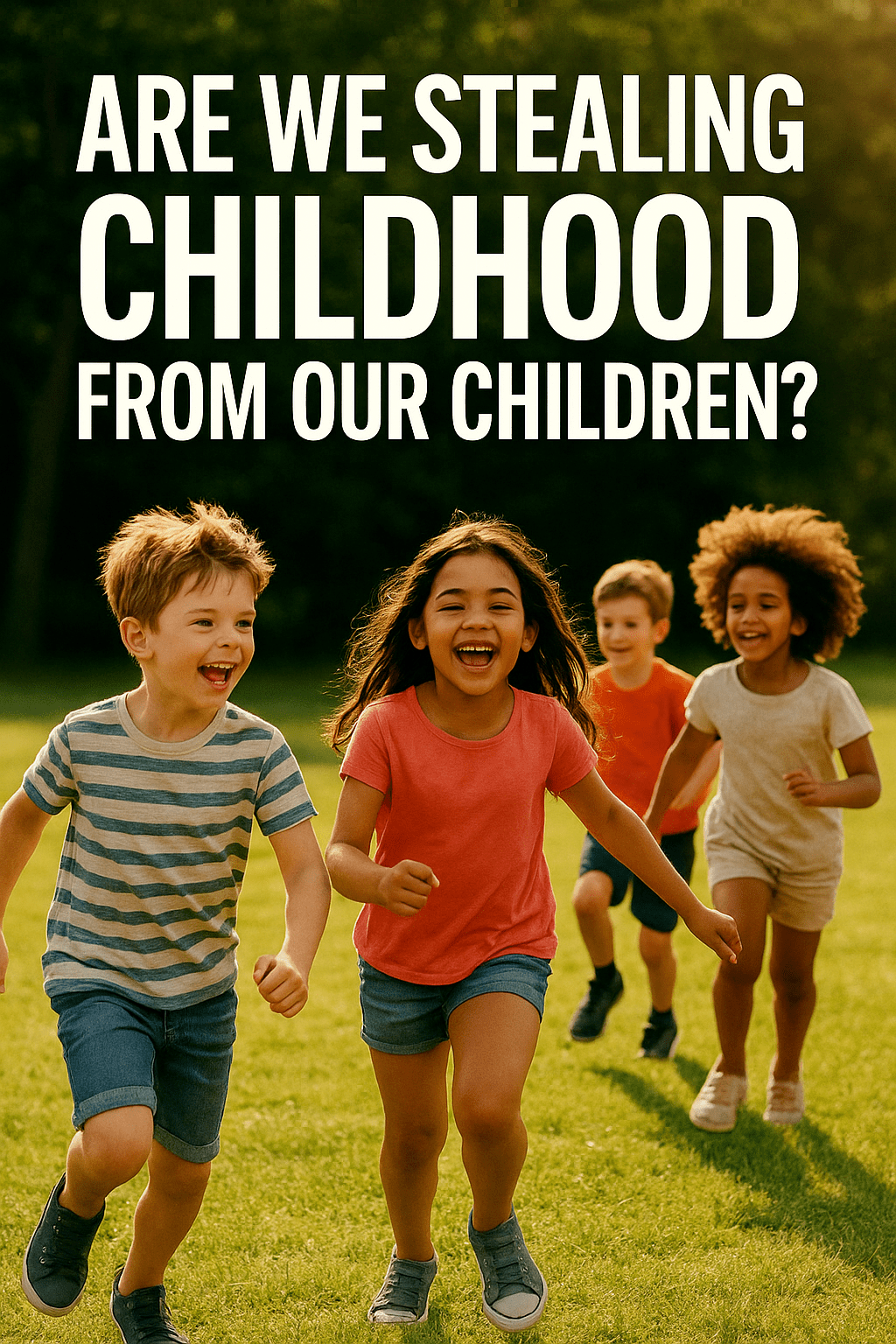
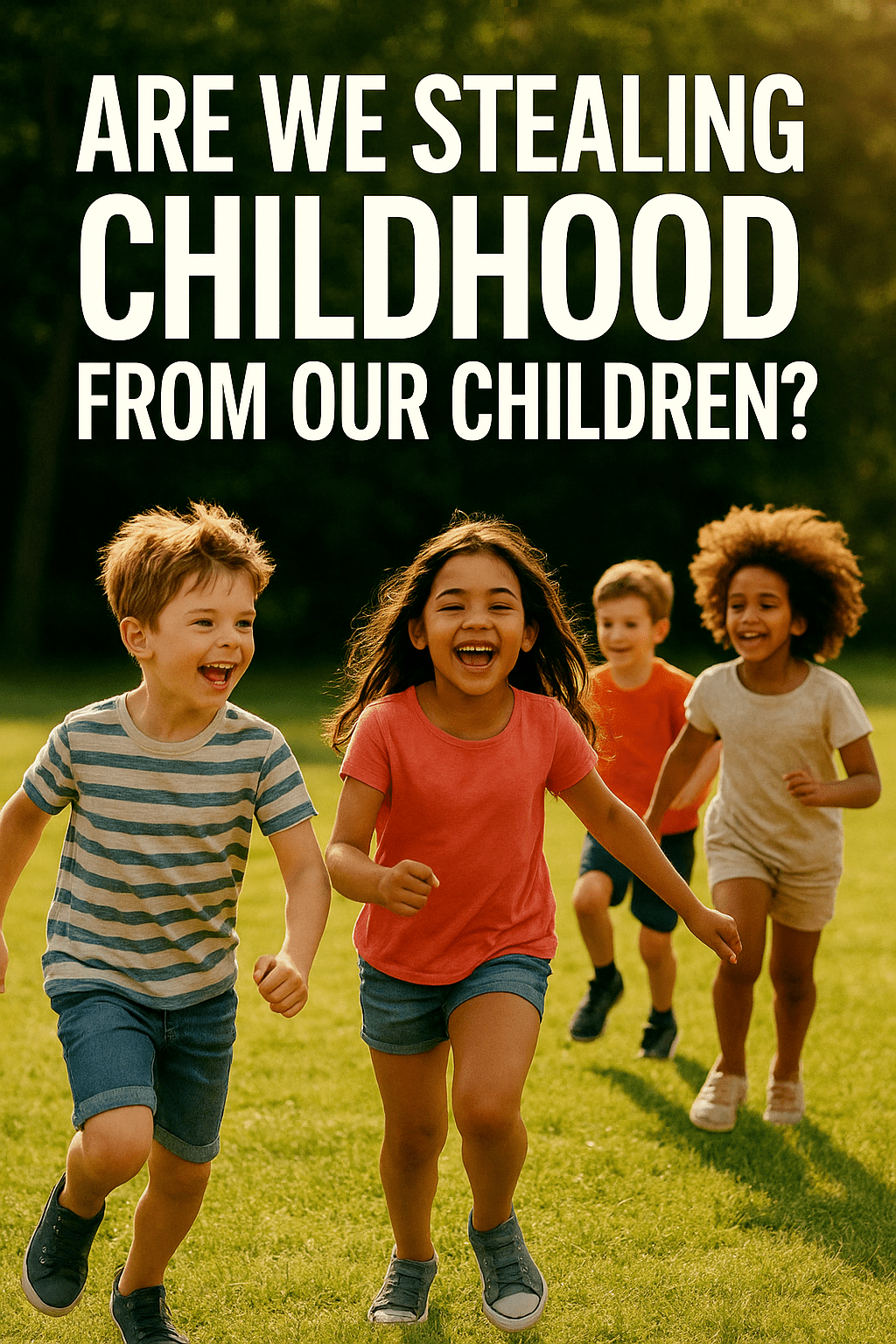
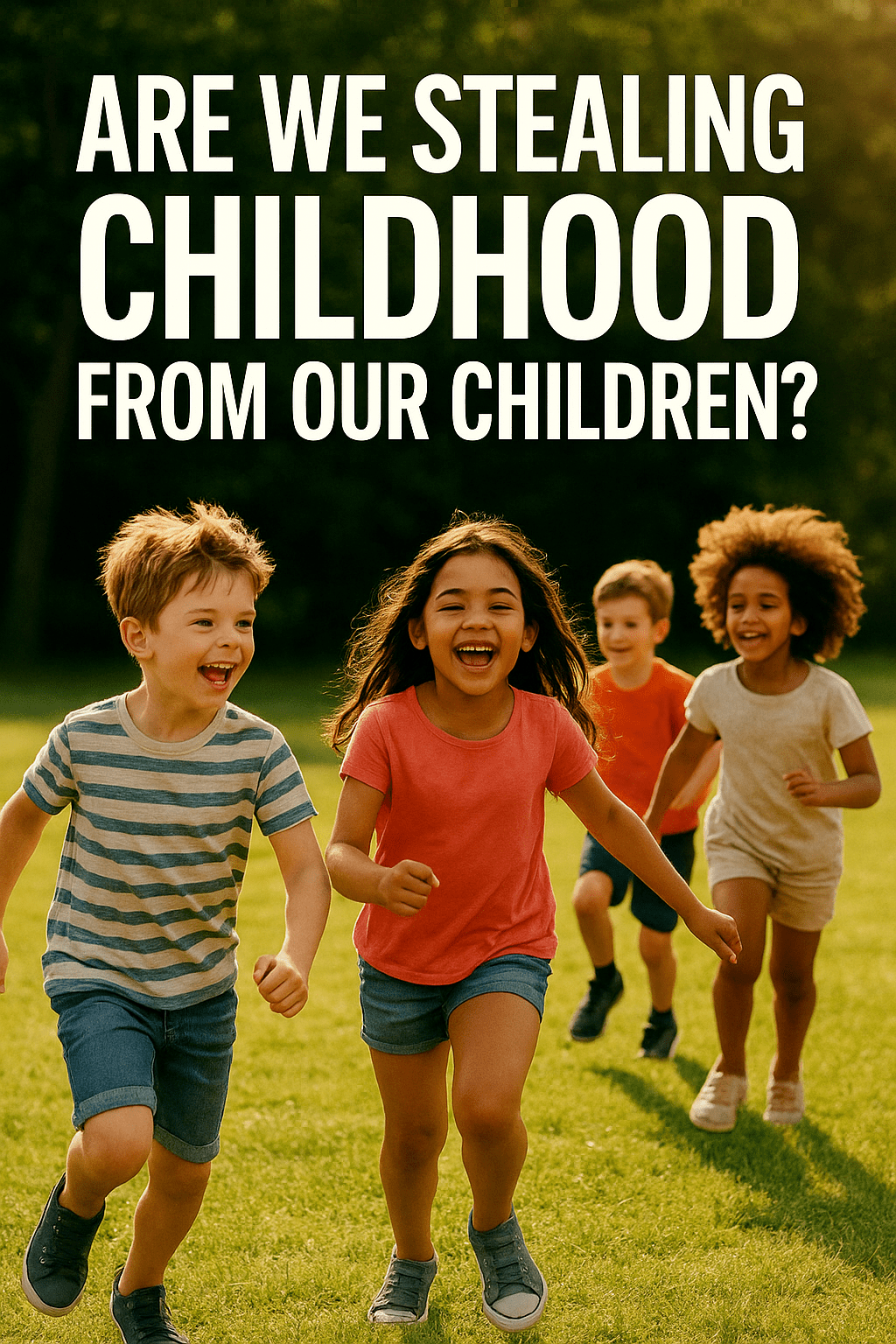
When I was young, playtime meant freedom. It was time spent with friends, far from the gaze of adults. We invented games out of nothing, turned ordinary places into kingdoms, and resolved quarrels in our own clumsy ways. Mischief was inevitable, sometimes fights too, but it was our world, and adults were politely shut out.
Even when our children grew up, the essence of play remained unchanged. They too experienced the thrill of unsupervised afternoons – the joy of conspiracies whispered in corners, the independence of choosing how to spend their time, the responsibility of handling the consequences of their adventures. That freedom was messy, imperfect, but deeply formative.
Today, I see a stark difference. What passes for “playtime” is often scheduled on calendars, confined to organised activities, and closely supervised by adults. Football of Tennis practice, music lessons, coding workshops – all under watchful eyes, with goals and outcomes attached. Even leisure has become a performance.
This change troubles me. For if children no longer learn to negotiate on their own, how will they build resilience? If every conflict is mediated by adults, how will they develop empathy or fairness? If every game is structured, when will they learn the beauty of chaos and imagination?
Play has always been more than fun. It is training for life – a rehearsal space where children test boundaries, experiment with leadership, face failure, and stumble toward self-discovery. When adults intrude, they may believe they are guiding, but too often they are only curating childhood, turning it into a hollow experience.
The irony is that in our attempt to protect children, we may be robbing them of the very skills they will need to stand on their own. Perhaps the most loving thing adults can do is to let go – to allow children the gift of unsupervised play, with all its risks and rewards.
After all, childhood is not something to be managed. It is something to be lived.
——
 An ordinary life
Leave a comment