My experience with the ‘washed’ coal mafia
August 26, 2025Odrra: an authentic celebration of Odiya Cuisine
August 25, 2025Odisha’s food traditions remain relatively underexplored outside the state. Yet, Odiya cuisine is remarkably diverse – drawing on the bounty of its rivers, coastline and fertile plains. It is characterised by a balance of flavours rather than an overreliance on spice. Mustard, coconut, and rice play starring roles; slow-cooked vegetables and lentils reveal surprising depth; seafood and mutton are prepared with a quiet confidence. Many of its finest dishes are still best discovered in Odiya homes rather than restaurants.
This is why Odrra, a recently opened restaurant tucked away in a quiet residential neighbourhood of Bhubaneswar, feels so special. It serves as both an introduction and a homecoming -presenting Odiya food exactly as it is meant to be, without gimmicks or unnecessary innovation. The kitchen makes no attempt to “modernise”; instead, it honours tradition and lets the ingredients and recipes speak for themselves.
The menu is compact but thoughtfully curated, offering a mix of familiar favourites and lesser-known gems. There is enough variety to showcase the state’s culinary breadth without overwhelming diners. Even as an Odiya I found myself rediscovering some dishes I had only tasted later in life. Odrra brings that same sense of quiet discovery to the table.
Among the highlights are the Kandhamal roast, redolent of the tribal heartland’s earthy spices; chitou pitha with mutton curry, a dish that feels both festive and comforting; and the khiri sarsatia, a rare dessert that lingers in memory long after the meal. Every plate reflects the use of regional ingredients and time-honoured techniques, a reminder of how vibrant and distinctive Odisha’s food truly is.
Bhubaneswar already boasts some fine Odiya restaurants, and I have enjoyed many of them. But Odrra offers more than excellent food; it creates an experience. The red oxide floors, minimalist interiors, and warm, story-rich ambience exude a sense of understated exclusivity. The owners welcome guests with genuine warmth, making it feel more like dining in a gracious home than a commercial establishment. And despite its fine-dining sensibility, Odrra remains refreshingly affordable – indulgence without guilt.
For anyone curious about Odisha’s food culture, Odrra is an ideal starting point; for Odiyas themselves, it is a delicious reminder of the treasures of their own kitchens. Some of the best culinary journeys happen not by chasing novelty, but by celebrating tradition – and Odrra does just that.
—-
A smile is everything
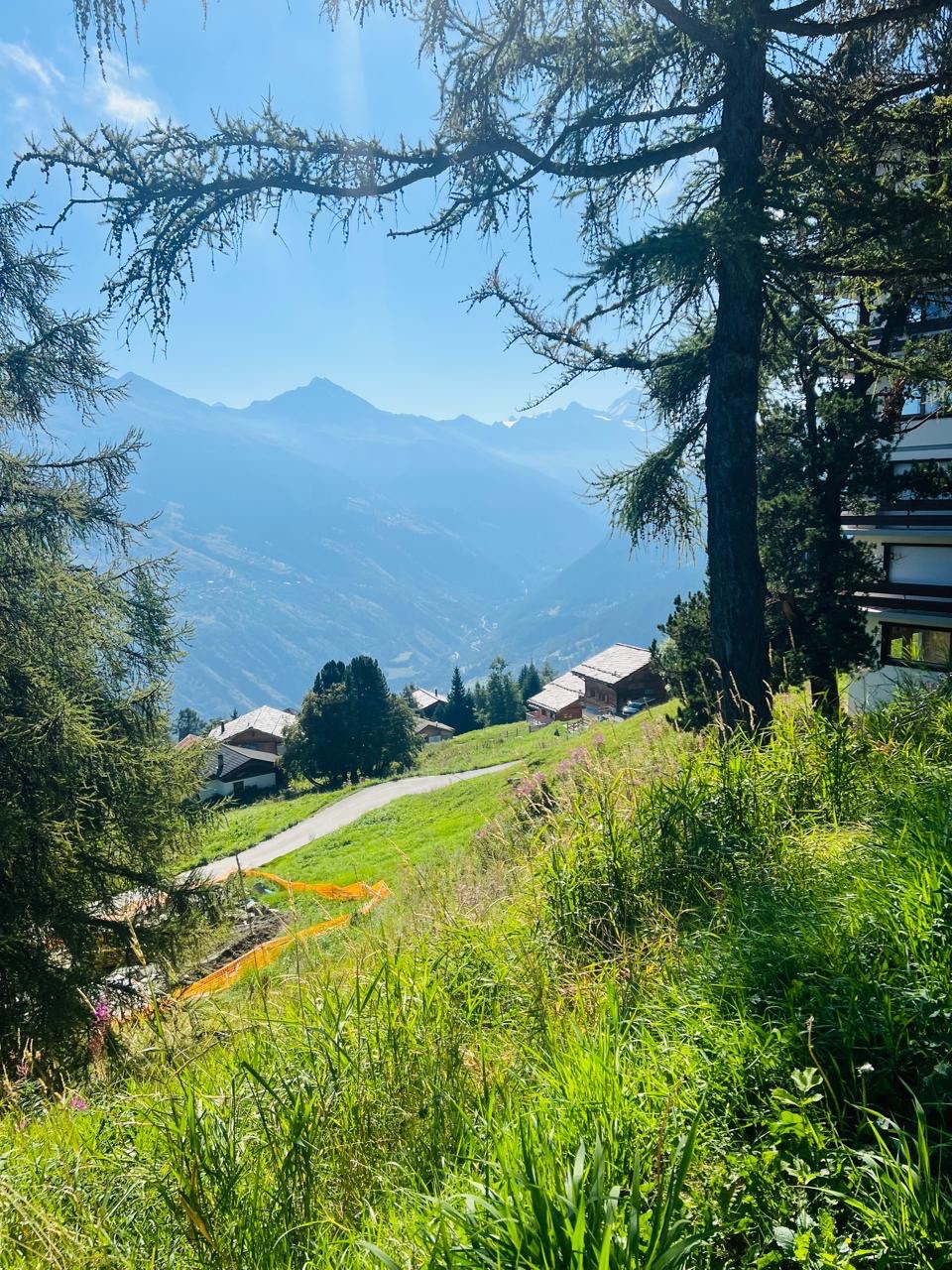
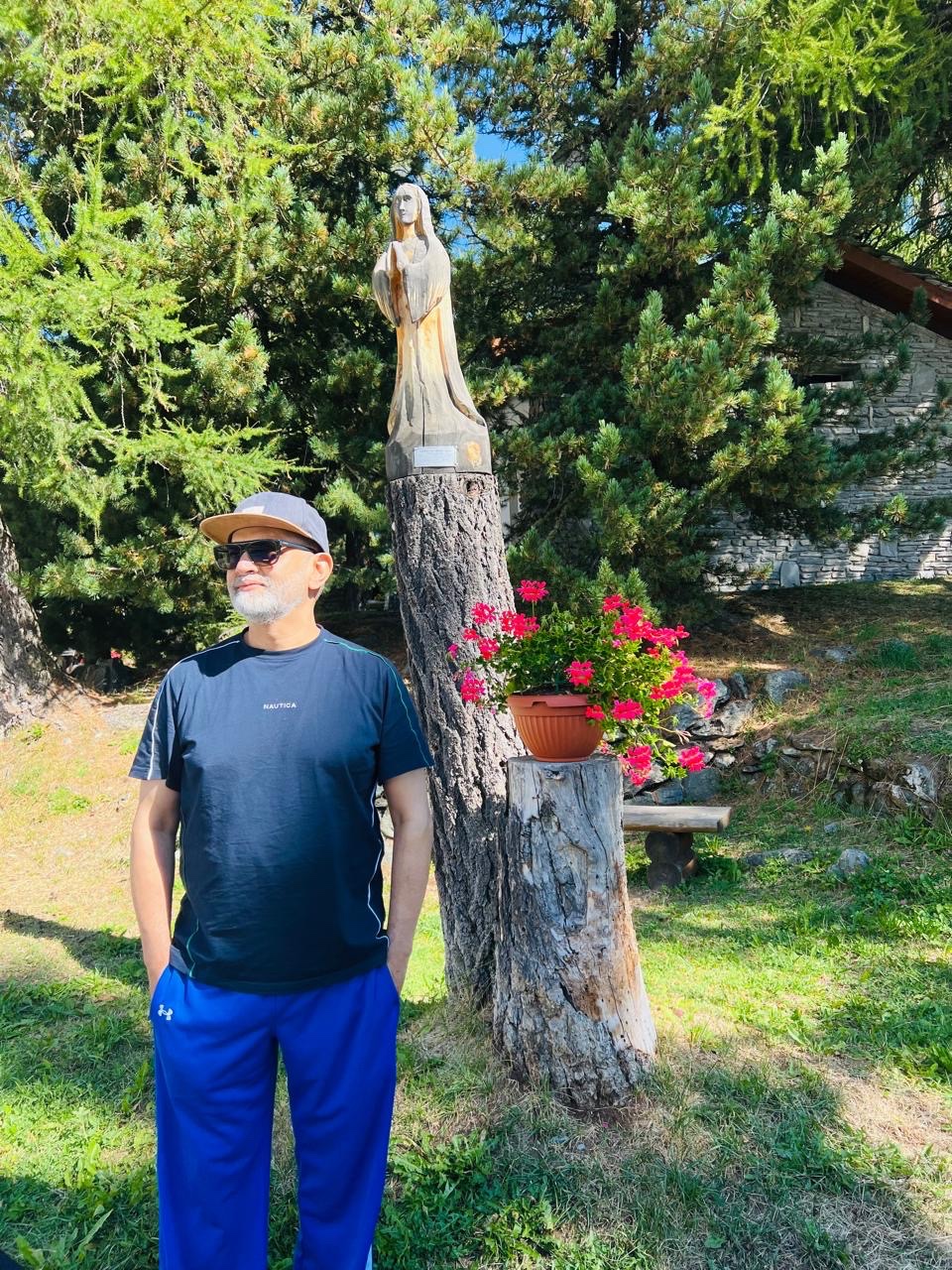
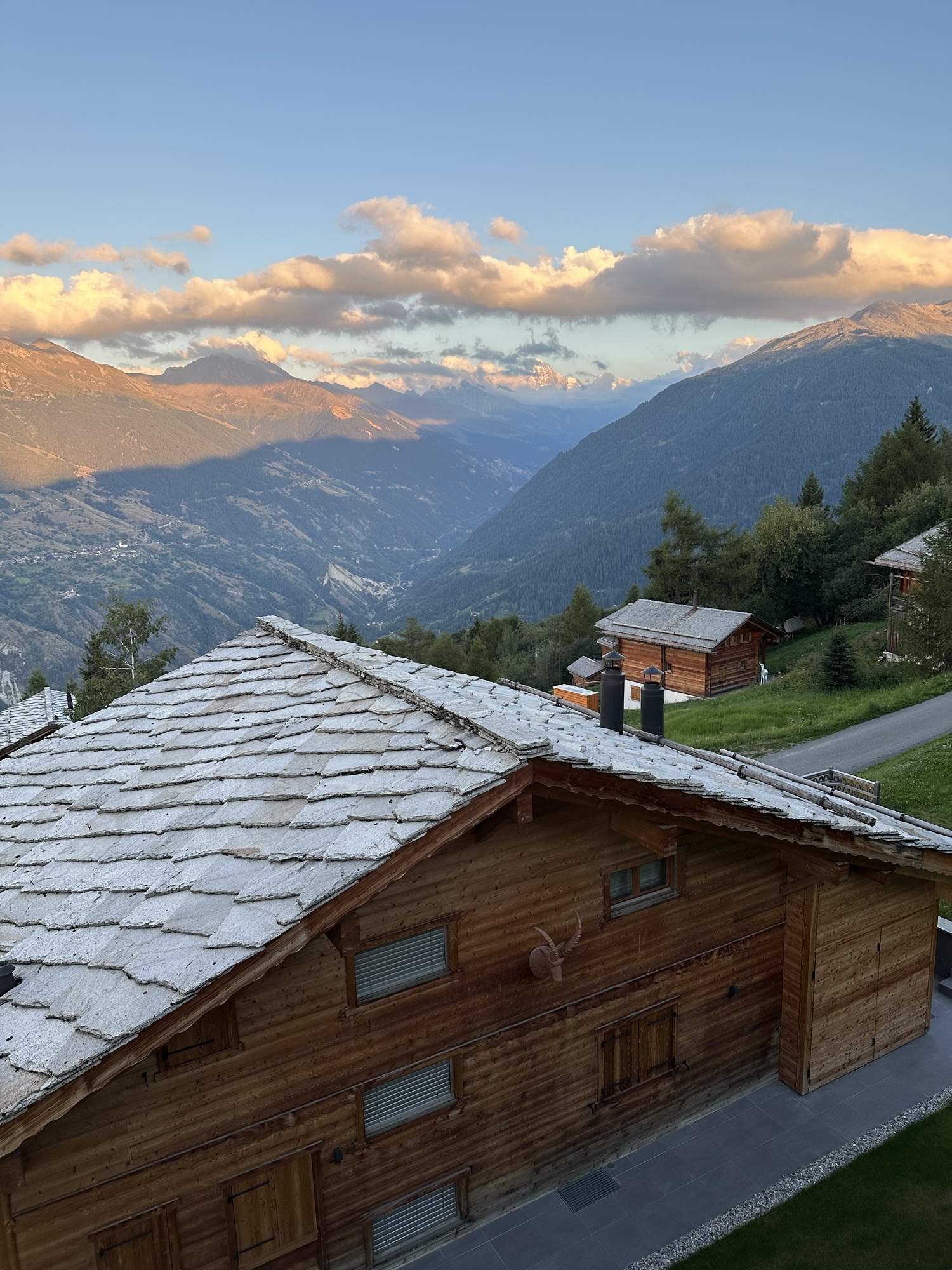
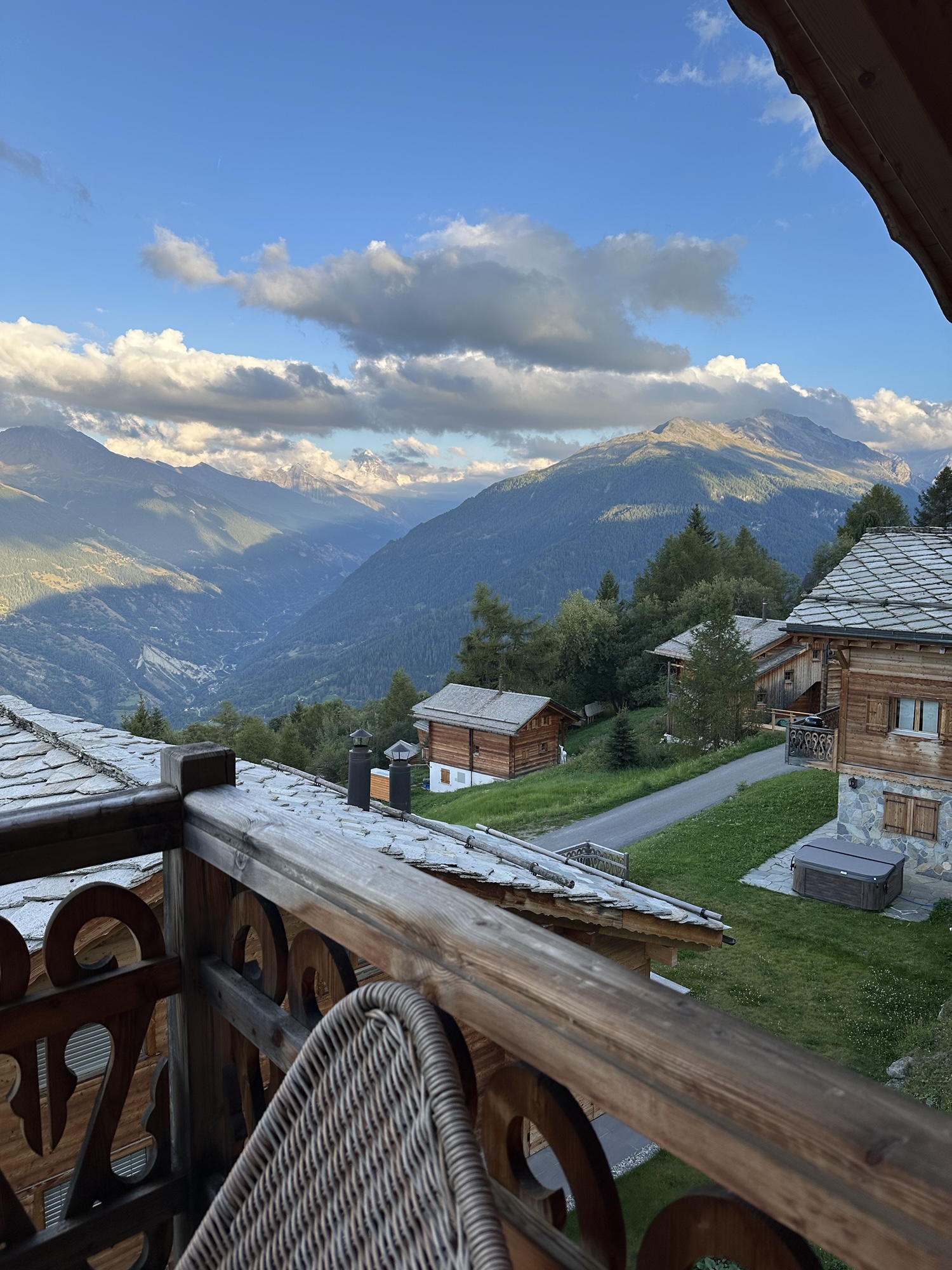
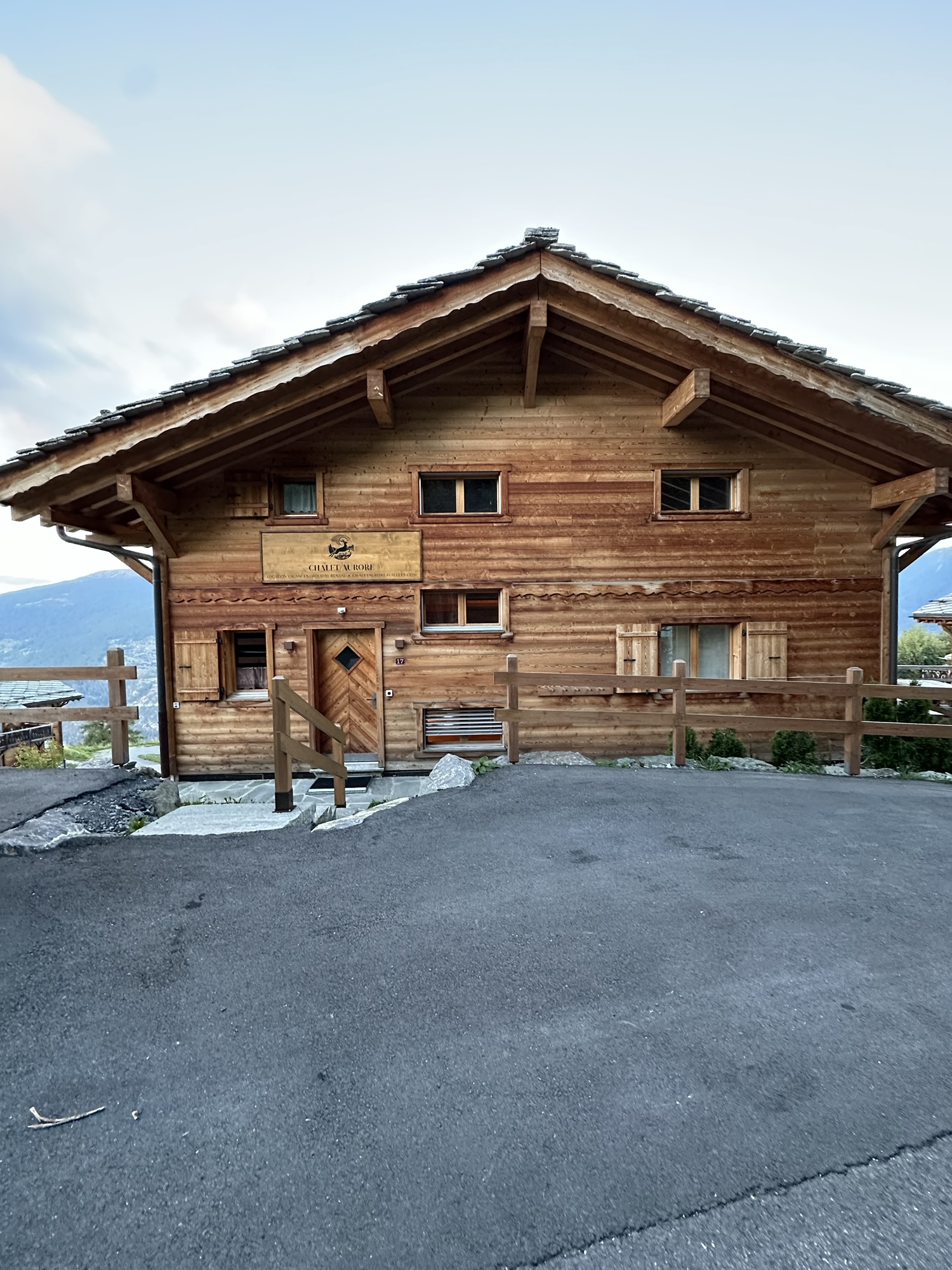
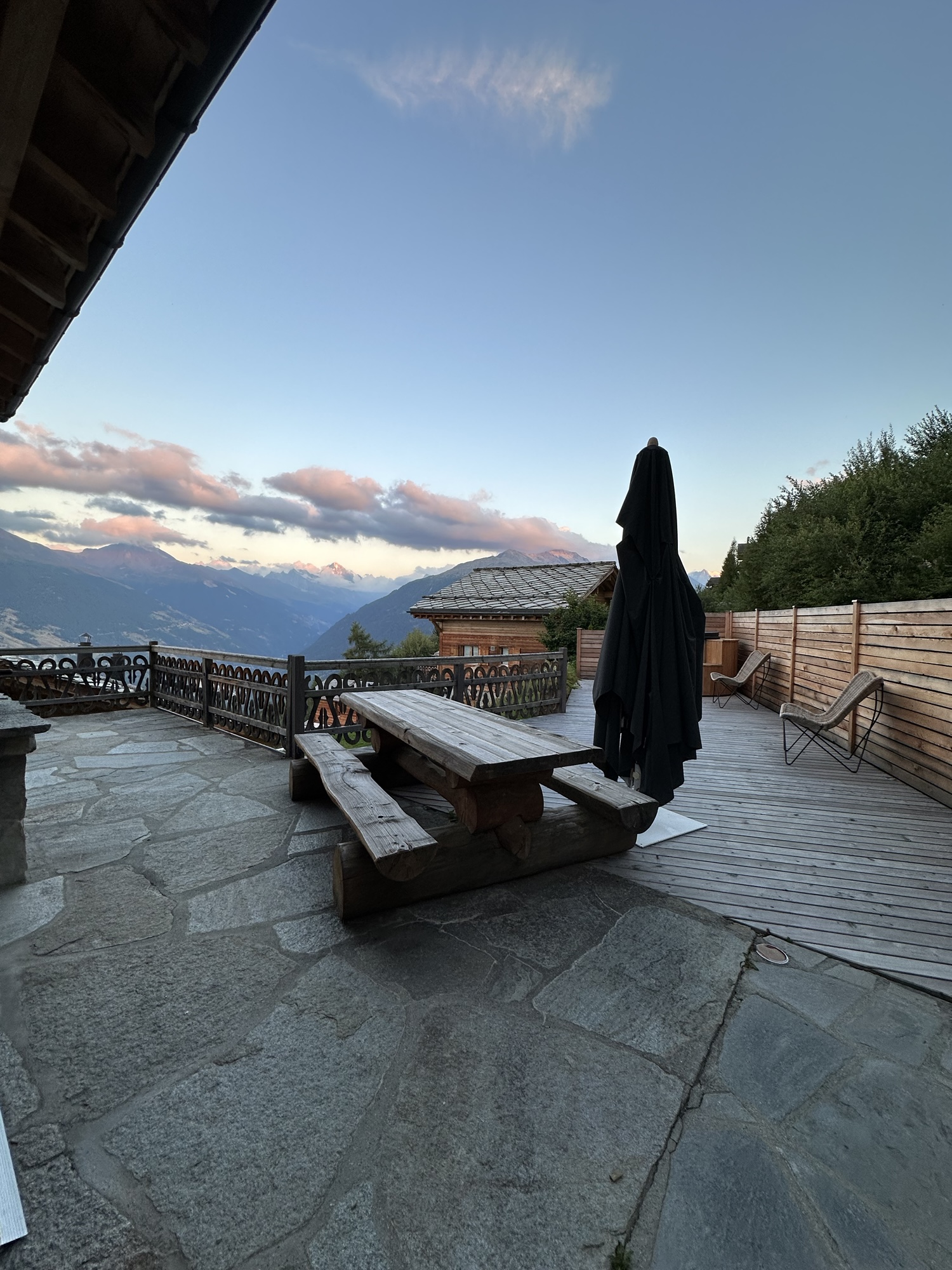
August 24, 2025This morning, from our chalet window in Les Collons, the Swiss Alps glowed in that soft light only mountains seem to know. Time moves differently here – slow enough for you to notice how the sun brushes the slopes and how silence has its own music.
At the village store, a local woman helped me find a packet of butter. Every label was in French and German, and she spoke halting English with a lilting German accent. We fumbled over words, laughed, and pointed at shelves until success . Her kindness lingered longer than the scent of the sourdough bread I carried back.
Yesterday, on the flight here, I sat beside a Frenchman who grew up in Bordeaux and now lives in Zurich. He was returning from Jakarta, reading an English book on Indonesia by an anthropologist. We spoke just enough to share his fascination with cultures far from home and my own love for wandering without an agenda. Then silence- comfortable, unforced- settled between us, like an old friend who asks for nothing. And then there was Maria with her radiant smile who served us with genuine joy and told me she had liked the food in Indore, which is the home town of one of her friends in Abu Dhabi. She also recommended the Azures in Portugal ( her home country) for a relaxed holiday in beautiful surroundings – and amazing food. She also told me watching Netflix how she gets to hone her English – which she speaks very well already. I did notice her pronunciation of island – in which ‘s’ was not silent. Cute !
It strikes me how travel is not only about where you go, but the quiet worlds you step into when you linger in small places and chance encounters. Villages where no one rushes, where conversations are soft and smiles are shy; flights where a co-passenger’s presence or the chirpiness of an air hostess, makes you feel more connected to humanity.
Sometimes it’s a conversation, sometimes just a few words, sometimes only a glance. But in these brief encounters there’s a quiet magic. Proof that connection needs no grand language or elaborate introduction.
Up here, in the hush of the Alps, I realise again: a smile is everything.



The invisible hand of philosophy
August 18, 2025People who pride themselves on their practical view of life often scoff at ‘philosophy’. To them, it is a pastime for professors and dreamers, a collection of abstract arguments that have little to do with the hard ground of reality. Yet what they do not realise is that philosophy is woven into the very fabric of their everyday decisions.
Every time someone decides between telling a hard truth and offering a convenient lie, they are doing ethics. Every time they weigh a career that promises wealth against one that promises fulfilment, they are entering into debates about values that philosophers have wrestled with for centuries. Every time they shake their head and say, “What’s the point of all this?” they are engaging in metaphysics, however unknowingly. And each time they demand “facts” and dismiss “theory,” they are already caught in epistemology – the philosophy of what counts as knowledge, and why.
The irony is that those who dismiss philosophy are never free from it. They simply practise it unconsciously, because without recognising its name or lineage. Philosophy is not so much a specialised subject as it is the scaffolding ( often sub-conscious ) of all our values, attitudes, thoughts, judgements which guide through situations, relationships and questions that practicalities and calculations alone cannot deal with or resolve. Many proverbs and aphorisms which are part of any spoken language and social dictums which are handed down to children by families and communities have underpinnings which are philosophical.
Practicality itself, after all, rests on unspoken philosophical assumptions. When a person claims to be practical, they are making a statement about what they value most – perhaps efficiency, perhaps survival, perhaps comfort. But each of these is a choice framed by deeper questions: Why this and not that? Why value comfort over truth, or survival over justice? These are not trivial puzzles, but fundamental ones, for they determine the direction of a life, or even of a society.
To dismiss philosophy as “impractical” is a little like dismissing language as “ornamental.” One might survive on gestures alone, but clarity, depth, and connection are lost. Philosophy does not dictate what to think – it illuminates how to think, and why certain thoughts are worth having at all.
Perhaps the most practical thing philosophy offers is perspective. In the rush of daily life, it slows us down enough to ask whether we are climbing the right mountain before we celebrate how quickly we are ascending. It teaches us that efficiency without purpose, or achievement without reflection, can leave us with a life that is well-organised but poorly understood.
In the end, philosophy is not a rejection of practicality, but its companion. It ensures that our practicality is not merely the art of doing things right, but also of doing the right things.
Humans are not just socials animals. They are philosophical animals as well. More or less.
—-

Farewell Raghu – the gentle guardian of dahibara aloo dum
August 16, 2025An era has ended in Cuttack. Raghu, the humble custodian of the city’s most beloved street food, has passed away. For nearly six decades, his dahibara aloo dum has not merely been food, but a ritual, a memory, and a binding thread across generations of dedicated fans who queued up eagerly for that leaf cone of baras soaked in tangy curd and topped with his fiery aloo dum.
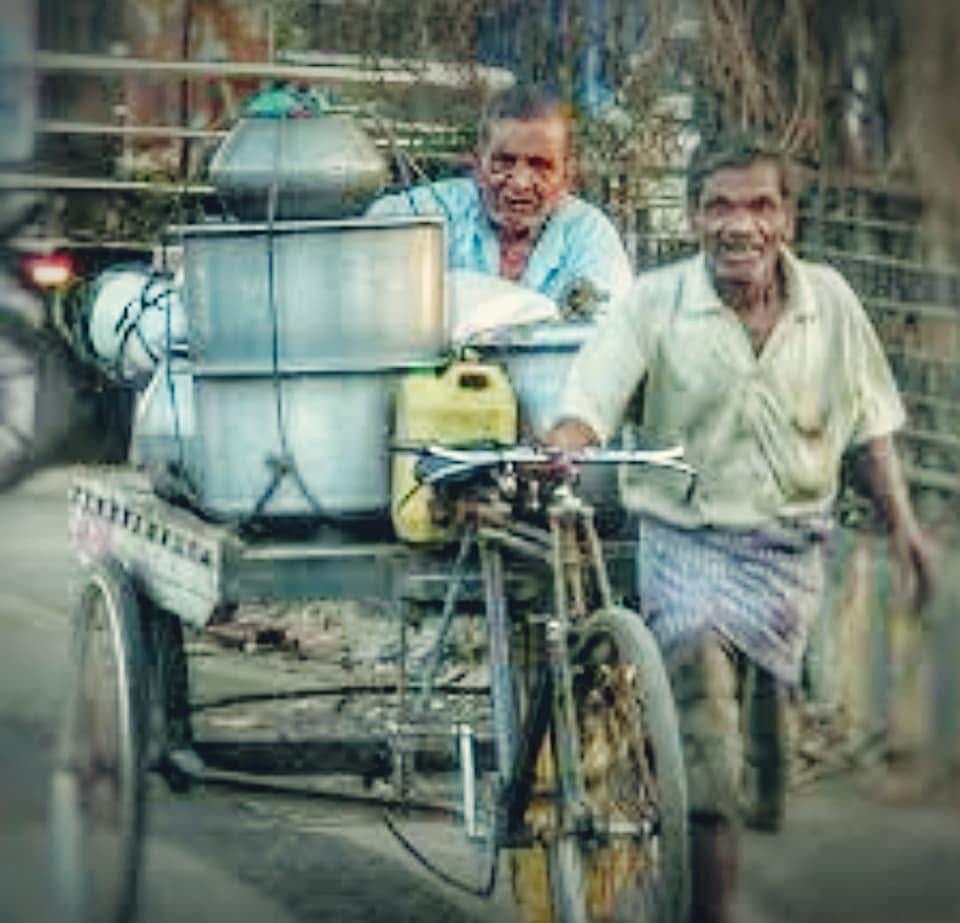
Over the years, little ever changed. Evening after evening, Raghu would arrive punctually at his fixed spot – first near Barabati Stadium when I was in school, and later in Bidanasi – bringing with him a set quantity of dahibara and aloo dum in large aluminium dekchis, carefully balanced on a cycle rickshaw. The aloo dum always retained its warmth till the very last ladle, not because of insulation, but because it vanished so quickly into waiting hands.
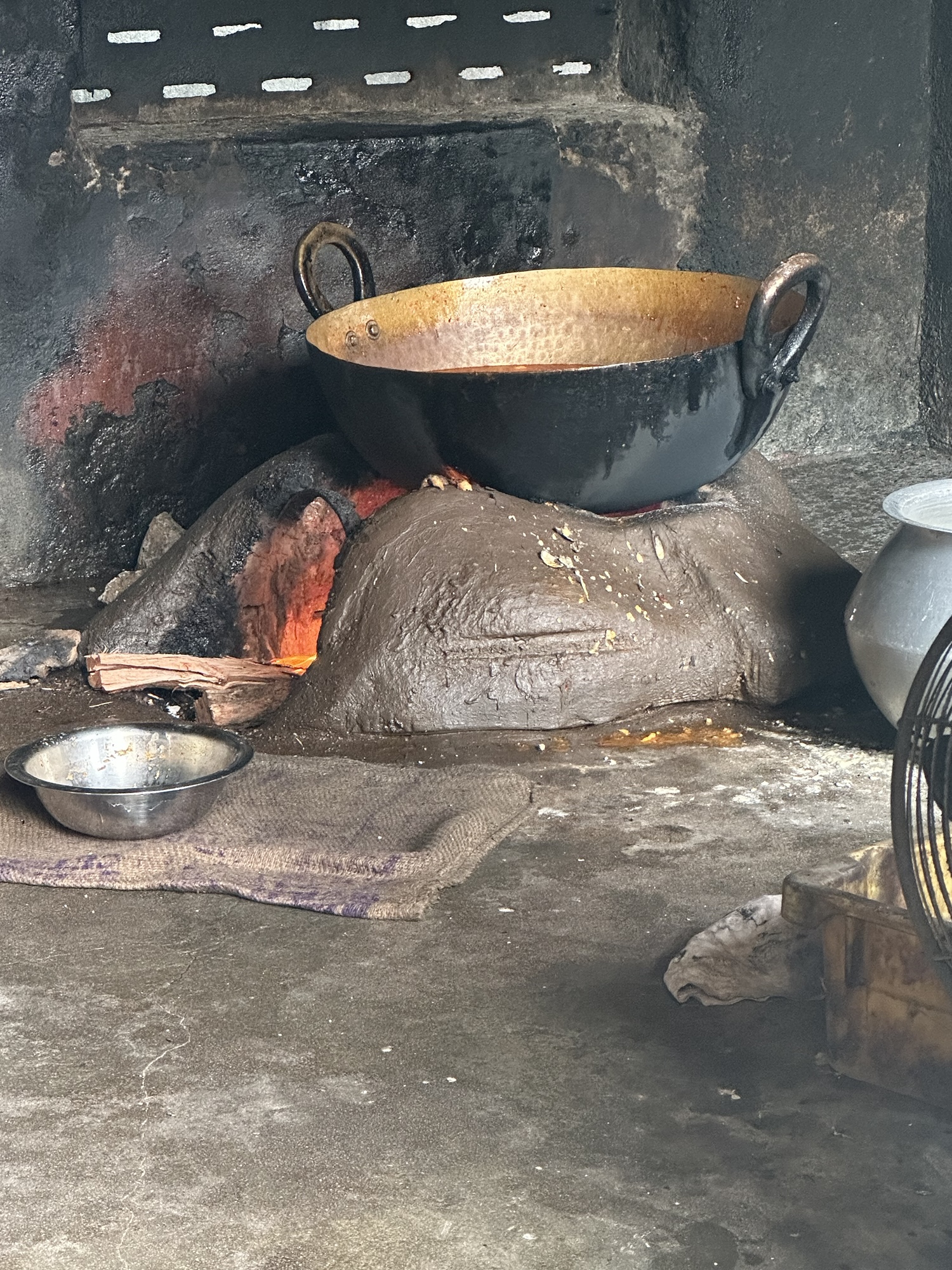
This summer, I finally made a pilgrimage of sorts to his home. A young and enthusiastic guide, Chris, led me down a quiet, winding lane dotted with contemplative cows, to the kitchen where this legendary dish had been prepared day after day, year after year, with unwavering precision. One of his sons was tending to the simmering aloo dum over a crackling wood fire, while another was preparing the paraphernalia for the daily journey to Bidanasi. And there was Raghu himself- bare-chested, in a simple lungi, lying on the floor in gentle repose under the shade of the courtyard. A picture of humility, almost blending into the rhythm of his household, yet filling the space with an unmistakable aura.
The wood fire that gave his aloo dum its earthy warmth, the blackened kadhai that had witnessed countless afternoons of stirring, and the heap of red chillies drying in the sun -all of it transported me beyond the sweltering heat into a state of quiet ecstasy. It felt less like a visit to a kitchen and more like the culmination of a pilgrimage.
Raghu was never one for flamboyance. He let the food speak for him. And speak it did – in the satisfied sighs of teenagers, in the hurried steps of office-goers grabbing a plate before dusk, and in the nostalgia of old Cuttackias returning from afar who felt instantly at home with that first bite. His gentle words and quiet smile became as much a part of the experience as the dahibara aloo dum itself.
Now, Raghu has passed, and with him goes a part of Cuttack’s living heritage. Yet the flame of his legacy will not die. His sons, already carrying forward the craft with care, will ensure the queues remain, the flavours endure, and the tradition continues.
Raghu’s physical presence may no longer grace that lane or his spot in Bidanasi, but his spirit will linger – in the aroma of tangy curd, in the fiery bite of aloo dum, and in the collective memory of a city and its diaspora .
Raghu is gone. But every time someone who has been in his presence , bites into dahibara aloo dum anywhere in the world, Raghu’s quiet, humble aura will be there.
—
Remembering Raghu Bhaina | His Dahibara Legacy Stays Eternal
Insta: https://www.instagram.com/reel/DNaccqbRtkd/?utm_source=ig_web_copy_link&igsh=MzRlODBiNWFlZA==
FB: https://www.facebook.com/share/r/1BM5aRECNf/
X: https://x.com/MyCityLinks/status/1956675088280932637
YT: https://youtube.com/shorts/l8QdM98v0ro


The fine line between connoisseurship and snobbery
August 13, 2025Somewhere along the way, I became the kind of person who can no longer drink instant coffee. It wasn’t intentional. I didn’t set out to become a coffee connoisseur – there was no solemn oath over a French press. It just happened gradually : a single-origin here, a pour-over there, a detour into freshly ground beans with tasting notes like “caramel with a whisper of citrus.”
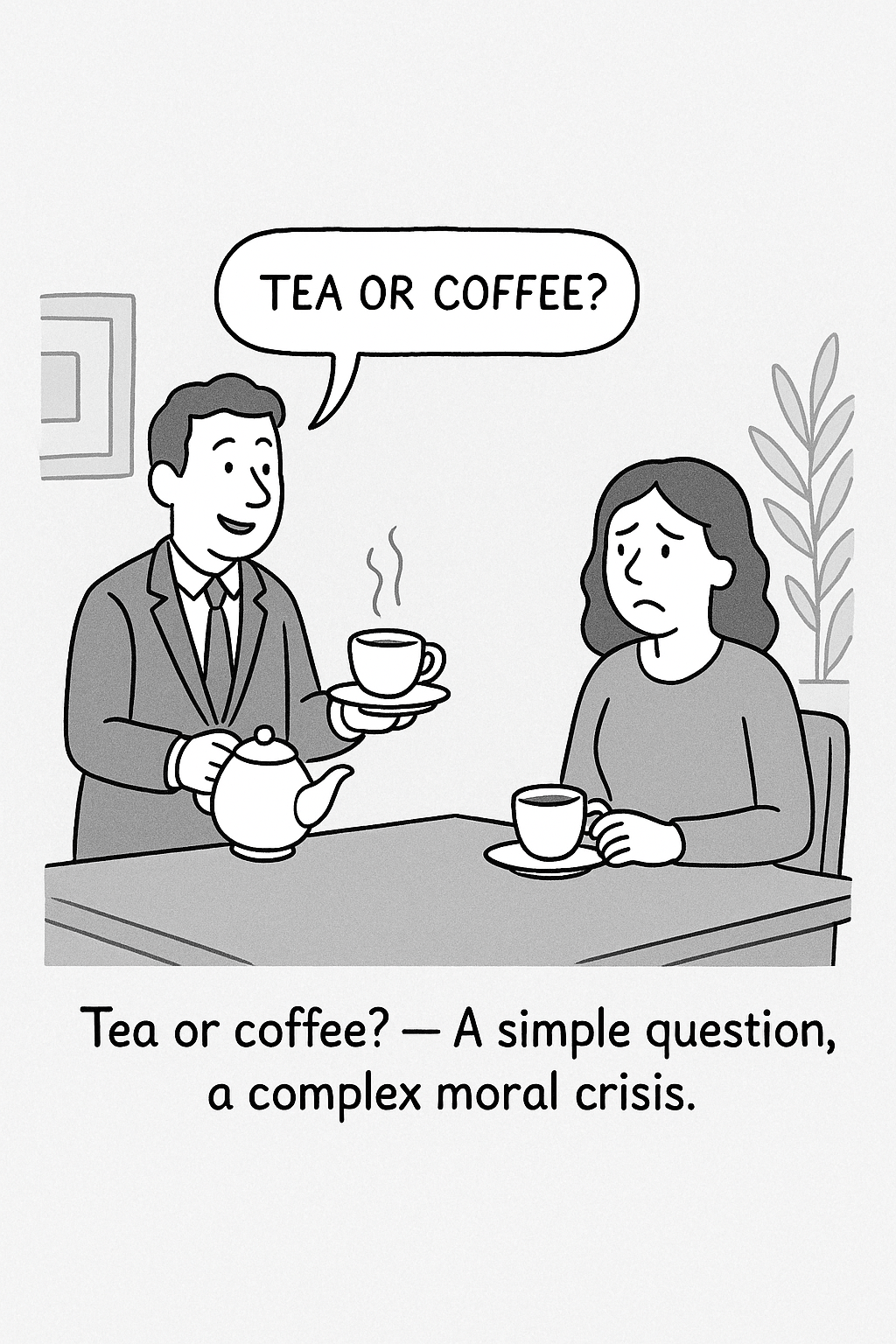
Now, when someone cheerfully asks, “Tea or coffee?” I am trapped. I want to ask, “What kind of coffee?” but I know the risk. If they say “Nescafé” and I pause- just for a second – I may look like a snob. So I smile and say, “Tea, please,” as though that was my plan all along. Inside, a small part of me weeps for the espresso it might have been.
This is an eternal dilemma: how do you appreciate quality without looking like a snob ? I guess true connoisseurship should be about joy and curiosity, not making other people feel like they’ve failed a test.
The trick, I’ve learned, is to avoid interrogating anyone’s pantry. If you must decline, do it with warmth, not with a lecture on Arabica versus Robusta. Compliment what is on offer – or, in my case, wax poetic about the tea while my inner coffee snob sulks in silence.
Perhaps, in the end, a real connoisseur isn’t defined by what they refuse to eat or drink. They’re defined by their ability to enjoy what’s in front of them. It can be tricky applying this rule to conversations of course – but let’s visit that theme some other time. It is complicated.
—-
Romancing Mumbai
August 11, 2025I have been a Mumbaikar for over thirty years. The city is in my body now – the pace of my walk on its treacherous footpaths, the tilt of my head in the rain. I have known it as a public servant, as a citizen, as a customer, as a critic.
It is familiar, yet undiscovered. There are so many interesting people I have not met, corners I have not turned, stories I have not heard. A café hidden behind a shuttered shop. A studio with the smell of turpentine. An improvised theatre where the stage waits in the dark. An art gallery which had popped up over a tiny coffee shop. A hostess who creates with Love and tolerates Fools with a smile.
I have spent enough time with the rich, the powerful, the glamorous, the ‘ connected’. Enough to know I need less of them.
I look for the others and find them. Men and women with sparkling eyes, trusting smiles, dreams and ideas. Those who can tell an original joke. Or talk fondly about their ancestral home in or near Mathura, Amritsar, Panipat, Ajmer, Hazaribagh, Solapur, Parbhani, Sliguri, Puri, Baripada, Darjeeling, Imphal or Pallakad… Or about pickles their grandmother made. Mostly young, not yet jaded, not yet broken.
I guess they speak to me because I am interested. I ask. I listen. Sometimes I nod or smile. Sometimes I mumble. In those moments, the city slows. Its noise falls away. And I am in love with life.
———

Framing the Nude: On Lolita, art and the lines we draw
August 10, 2025It is often not the subject that scandalises us, but the way it is framed. The same human body can be Venus in marble, or a poster on a backstreet wall; the same sentence can be poetry, or provocation. What changes is not the flesh or the word, but the gaze that shapes it.
While ruminating over the experience of viewing some paintings at the National Gallery of Modern Art in Mumbai recently remembers an incident from many years back. I was at university, chatting with a small group of friends in the library about books and I mentioned Nabokov’s Lolita. One friend, half-genuinely and half-provocatively, asked, “Why should that book be considered a classic and not pornography?”
I remember answering without hesitation: “In the same way that a painting or photograph of a nude may not be pornography.” I could not have unpacked the thought then, but I knew I was right. Several years later, after many books, exhibitions, experiences and conversations, I maybe able to explain what my younger self only intuited.
The difference, I realise now, is not in the subject but in the treatment. Pornography is concerned with arousal; art is concerned with awakening. One is engineered to provoke the body, the other to stir the mind, to open a space where reflection can enter. Nabokov’s novel, for all its disturbing subject, is not an invitation to desire but a dissection of it – an exploration of obsession, self-justification, and the lies we tell ourselves to survive our own moral landscapes.
Art history is filled with similar tensions. A Titian nude, an Amrita Sher-Gil study, even certain works by Picasso – each depicts the naked human form, yet none collapses into vulgarity. As John Berger noted in Ways of Seeing, the same image can be erotic, sacred, or exploitative depending on the frame that surrounds it – both literal and cultural.
Philosophy has circled this question for centuries. Kant, in The Critique of Judgment, distinguished the pleasure of beauty from the satisfaction of appetite: beauty is appreciated “without interest” – we savour it without the need to possess it. Freud, from another angle, might have called it sublimation – the transformation of primal instinct into something layered, symbolic, and socially resonant.
Lolita is unsettling because it makes us witness the coexistence of beauty and moral rot, side by side, within the same sentence. Its prose is a lattice of light and shadow, each page demanding that we hold both in view. That is the enduring power of great art: it does not flatter us with easy certainties, nor shield us from what is uncomfortable. It stays with us precisely because it refuses to let us look away.


In search of character
August 8, 2025Lately, I’ve found myself watching people a little more closely – not in judgment, but in curiosity. And these observations have led me to think about a word that seems to have quietly slipped out of our vocabulary: character.
Once, it was a word spoken often, even with a certain reverence. Like nation building, character building was seen as a shared responsibility. We spoke of how parents shaped it in the home, how teachers reinforced it in classrooms, how books nourished it in silence, and how even a sports coach, with a whistle and a sharp eye, could carve it into a young person’s spirit.
Back then, character was discussed in the context of the community – of being part of something larger than oneself. Today, the conversation has shifted. We speak instead of skills – hard and soft – as if people are machines being fine-tuned for the market. The measures are employability, salary, and promotion. The community has receded from view; even the idea of society feels faint, like an old photograph fading in the sun.
The family still remains, but here too the language has changed. Loyalty is celebrated, but the other virtues – honesty, courage, fairness, responsibility – don’t seem to get the same light. Perhaps this is what happens when the market doesn’t just visit our lives, but takes up residence – shaping our conversations, colouring our priorities, and slowly rewriting what we value.
It’s no surprise, then, that conversations feel thinner now. They skim the surface – fashion trends, celebrity gossip, the rise and fall of sports stars, and politics that is less about ideas and more about the marketing of fear and hatred.
And so I wonder: where does one go for deeper waters?
Perhaps the answer lies in the quiet companionship of books – those patient, unhurried spaces where character still matters, where it is tested, broken, rebuilt, and, sometimes, redeemed.
Maybe, if we can bring back even a fraction of those old conversations – about what it means to be trustworthy, to stand for something, to be remembered for more than our skills – we might find that character was never truly lost. It was simply waiting for us to start looking for it again.
 An ordinary life