From Uncle Tom’s Cabin to Baluta : seeing Black struggles, missing Dalit voices – how literature shapes consciousness

September 15, 2025

While watching an old interview of Muhammad Ali which popped up on my phone screen it occurred to me that I have never sat across a table and had a real conversation with a black man or woman. I consider this one of the gaps in my experience despite my travels and my interest in conversations with people whose culture and lived experiences are different from mine. Yet through books and films, I grew familiar with black lives when I was quite young. Beginning with Uncle Tom’s Cabin. Over the years I read about the slave ships that crossed the Atlantic, the plantations where lives were broken, and also the fierce dignity that rose from oppression. I have read James Baldwin and Richard Wright, read and watched Roots, and admired actors like Sidney Poitier who brought depth and grace to the screen. And in my boyhood, Muhammad Ali loomed larger than life – an athlete, rebel, and poet rolled into one.

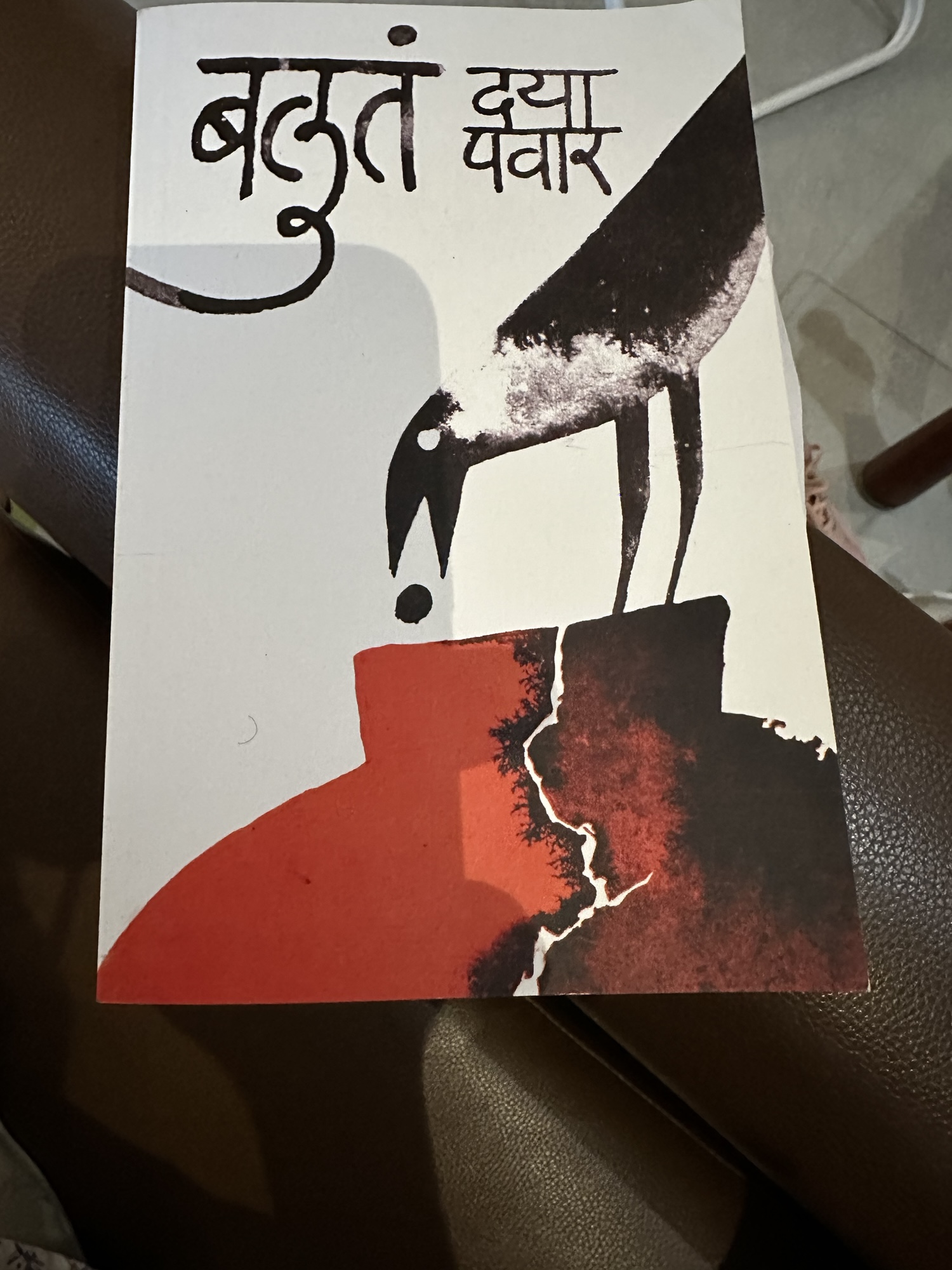
In the next moment, with a recently acquired copy of Marathi Dalit writer Daya Pawar’s book Baluta lying in front of me, it occurred to me that as a young person I had a more intimate sense of the struggles of black people in America than of Dalits in my own country. ‘ Dalits’, a word I learned much later, were identified in conversations by their earlier caste names and the kind of work they did. I learnt through education to refer to them as Harijans. Educated Indian minds could rest assured that equality before the law and positive discrimination by implementing education and job reservation quotas were the solution to historical exclusion. Because our constitution had ensured that. Instead of guilt about the past there was pride about our collective kindness towards the ‘Harijans’ in accordance with ‘ modern’ ideas of democracy and equality before the law.

The history text books we read were “balanced” and bland – lists of reformers and leaders, social evils “eradicated,” milestones achieved. There were references to Gandhi, Nehru, Patel, Subhash – names every child knew by heart. Ambedkar’s name was there too, but more as a framer of the Constitution than as a thinker, writer, or revolutionary whose words might unsettle. Untouchability was acknowledged as an undesirable social practice, one that our enlightened reformers had worked hard to ‘abolish’. In some discussions I have heard over the years – and I still hear- the ‘caste system’ of the past is explained as a brilliant division of labour which worked perfectly for the economy of the past but is no longer necessary. Hence the progressive ‘reforms’ – through legislation

Despite my natural sympathy for the poor as a boy and my anger at any instance of any poor ‘servant boy’ being scolded by any relative for some mistake or misdemeanour in a manner that seemed excessive or unfair, the lived reality of Dalit lives was not something that was apparent to me. Although there were ‘ servant boys’ from poor rural families working as domestic help in homes but they were not Dalits. I was barely aware of the existence of the individuals who cleared ‘ night soil’ from traditional toilets – without having to enter homes.

I heard no stories about Dalit lives although I heard all kinds of stories from all kinds of people. Which included stories from teenager servant boys about life in their villages. Any reference to any Dalit – by their original caste names – was incidental to any story. No Dalit was a protagonist in any story I heard as child. Not even as a minor character. Dalits were outside the pale of non-Dalit consciousness as it were. Or on the periphery. Silent – and almost invisible. Without the drama of the visible lives of slaves owned by people or serfs serving their feudal lords. Where there was scope for cruelty or compassion, conflict or sacrifice. And therefore stories. In contrast the Dalits were simply creatures who did the dirty work of scavengers for the community and were expected to keep a safe and silent distance from every asset and amenity of the community – wells, temples or schools and ‘public spaces’. According to the rules of social and personal hygiene – as ordained by tradition. Rules which did not apply to domestic animals who lived in close proximity – and therefore featured sometimes in stories I heard. Cows were worshipped. Dogs were pets. Cats were fed.

Discrimination and exploitation are not always visible or even deliberate. They can be structural. And made acceptable by a world view which suggests that every body’s status at birth is the result of the Karma of their previous life. And that the Varnashram system was the perfect framework for organising the economy and society in the past in the Indian sub-continent.

In my school and college years, I did not even know that Dalit literature existed as a genre. A few ‘art’ films of the 1970s and 1980s – Govind Nihalani’s Aakrosh and Ardh Satya, Shyam Benegal’s Ankur – touched on caste, but Bollywood cinema mostly dramatised the feudal exploitation of farmers by zamindars or the capitalist exploitation of workers. Dalits, if they appeared at all, were barely visible figures in the background.

It was only when I began my career as a civil servant in Maharashtra that the gaps in my understanding became too stark to ignore. They could be filled only through my own quest to understand the social fabric and the reality of Dalit lives – beyond the symbolism and rhetoric of politics . Reading Ambedkar properly for the first time was like discovering a new grammar of Indian history. Annihilation of Caste was searing. The writings of scholars like M. N. Srinivas or Rajni Kothari, valuable though they were in explaining the sociology and politics of caste, had not told me what it felt like to be Dalit.

That truth came through literature – English translations, to begin with. Omprakash Valmiki’s Joothan, with its painful memories of humiliation; Daya Pawar’s Baluta, the first Dalit autobiography that broke the silence of Marathi literature; Baburao Bagul’s stark and uncompromising stories in When I Hid My Caste; and the poetry of Namdeo Dhasal that burned with anger and dark music. These works opened windows I had not known existed. They were not sociological analyses but living testimonies – voices that spoke of indignity and exclusion, but also of resilience, creativity, and the fierce hunger for equality.

Looking back, I sometimes wonder: how did I, who had read Baldwin and Angelou, remain blind to Valmiki and Pawar until much later? Perhaps it is because of the silence we inherit, the selective amnesia of our textbooks and media, the comfortable ideals and sanitised narratives of progress. Literature, when it is true, does not let you look away. It forces you to imagine lives other than your own.

———
The path  to eternal patience : as revealed  in shopping aisles 

September 2, 2025

Seekers of wisdom, weary men, and accidental saints – welcome. Today, I unveil a spiritual practice, perfected through years of trial and despair while loitering outside trial rooms: following the significant other as she “just peeps into shops” – in Montreal, Moscow, Montenegro or Manipur.

You think patience comes from meditation? Ha! Patience is forged by standing in the “50% Off – Final Clearance” section for forty-five minutes while she  debates whether polka dots are still in fashion.


Lesson 1: Time is an illusion 

She says, “Just one store.” You believe her. That is your first mistake. Time bends in the gravitational field of a sale sign. Ten minutes for her is ten centuries for you. Welcome to eternity.

Lesson 2: participation without  presence 

You will be asked questions like, “Do you think this looks good on me?” Understand: this is not a question. This is a trap. Master the sacred phrase: “Yes, perfect” and deliver it with the conviction of an experienced thespian who is day dreaming about sitting in a cafe, sipping a Negroni.

Lesson 3: Emptiness 

As your day dreams wane – so does your ego. Soon you will no longer care about anything. You have transcended.

Lesson 4: Trial by bags 

At the end of the all the research,  she may finally purchase a thing or two . And when she does, she will hand it to you. Those shopping bags are not mere fabric and plastic. They are sacred weights – symbols of suffering, badges of endurance, proof of your spiritual progress. Carry them proudly, pilgrim.

Lesson 5: Nirvana in the aisles 

Around the seventh store, your brain will quietly shut down. You will stop thinking, stop caring, stop resisting. You will achieve pure thoughtlessness.

——

In praise of never asking questions

August 31, 2025

The thinking person’s guide to not thinking

Ladies and gentlemen, allow me to declare solemnly : I believe in stories. Not just any stories, but the right stories – the ones that agree with me.

You see, facts are slippery, treacherous little things. They change, they demand proof, they refuse to flatter. But stories are loyal! They conform beautifully to the religious truths of my ancestors, the racial certainties of my tribe, the historical legends of my nation, and of course, the political doctrines of my party.

Who really wants the discomfort of doubt? Doubt is corrosive. Doubt asks questions. Doubt suggests I might be wrong.

So when you ask me, “Why don’t you question these stories?” I say to you: why should I? They give me comfort, they give me community, they give me power. Doubt is over-rated. Belief is convenient.

Therefore, I stand before you, unashamed, unwavering, unburdened by the need of evidence – a true believer in the sacred art of never asking questions. And I invite you all to join me. Because if enough of us clap loudly enough, perhaps reality itself will finally fall in line.

As for those who don’t subscribe to my beliefs or to my views which are based on my beliefs I have stories about them too. And prescriptions for curing, curbing or crushing them. I used to whisper some of these prescriptions earlier. Nowadays I simply forward them on WhatsApp.

My experience with the ‘washed’ coal mafia

August 26, 2025

https://www.linkedin.com/posts/subratratho_standing-up-for-integrity-my-experience-activity-7366050010301370370-wwq6?utm_source=share&utm_medium=member_ios&rcm=ACoAAAHGcZkBMT77w-sOUs28hX1EJk7dEFI_O4s

Odrra: an authentic celebration of Odiya Cuisine

August 25, 2025

Odisha’s food traditions remain relatively underexplored outside the state. Yet, Odiya cuisine is remarkably diverse – drawing on the bounty of its rivers, coastline and fertile plains. It is characterised by a balance of flavours rather than an overreliance on spice. Mustard, coconut, and rice play starring roles; slow-cooked vegetables and lentils reveal surprising depth; seafood and mutton are prepared with a quiet confidence. Many of its finest dishes are still best discovered in Odiya homes rather than restaurants.

This is why Odrra, a recently opened restaurant tucked away in a quiet residential neighbourhood of Bhubaneswar, feels so special. It serves as both an introduction and a homecoming -presenting Odiya food exactly as it is meant to be, without gimmicks or unnecessary innovation. The kitchen makes no attempt to “modernise”; instead, it honours tradition and lets the ingredients and recipes speak for themselves.

The menu is compact but thoughtfully curated, offering a mix of familiar favourites and lesser-known gems. There is enough variety to showcase the state’s culinary breadth without overwhelming diners. Even as an Odiya I found myself rediscovering some dishes I had only tasted later in life. Odrra brings that same sense of quiet discovery to the table.

Among the highlights are the Kandhamal roast, redolent of the tribal heartland’s earthy spices; chitou pitha with mutton curry, a dish that feels both festive and comforting; and the khiri sarsatia, a rare dessert that lingers in memory long after the meal. Every plate reflects the use of regional ingredients and time-honoured techniques, a reminder of how vibrant and distinctive Odisha’s food truly is.

Bhubaneswar already boasts some fine Odiya restaurants, and I have enjoyed many of them. But Odrra offers more than excellent food; it creates an experience. The red oxide floors, minimalist interiors, and warm, story-rich ambience exude a sense of understated exclusivity. The owners welcome guests with genuine warmth, making it feel more like dining in a gracious home than a commercial establishment. And despite its fine-dining sensibility, Odrra remains refreshingly affordable – indulgence without guilt.

For anyone curious about Odisha’s food culture, Odrra is an ideal starting point; for Odiyas themselves, it is a delicious reminder of the treasures of their own kitchens. Some of the best culinary journeys happen not by chasing novelty, but by celebrating tradition – and Odrra does just that.

—-

A smile is everything

August 24, 2025

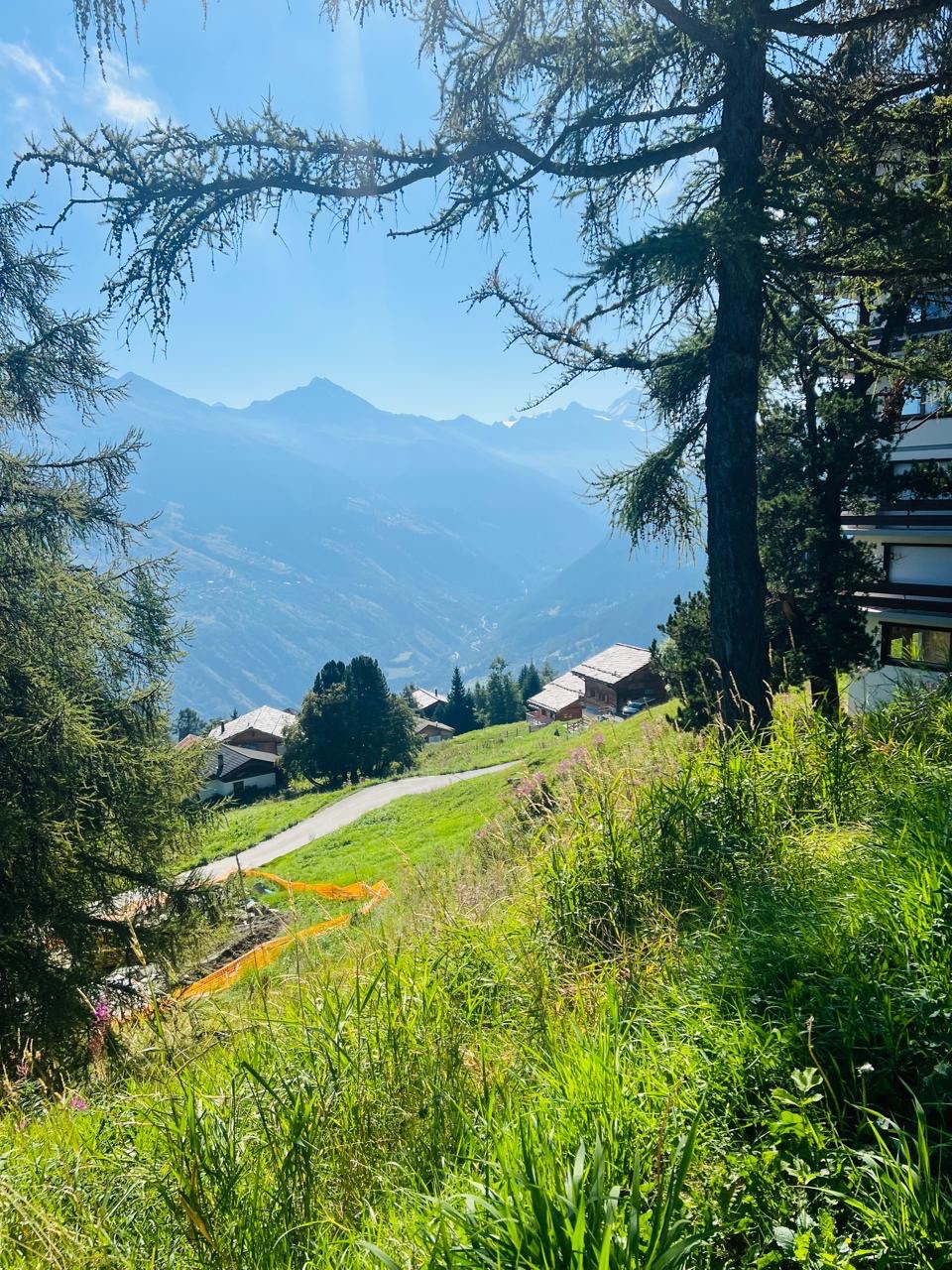
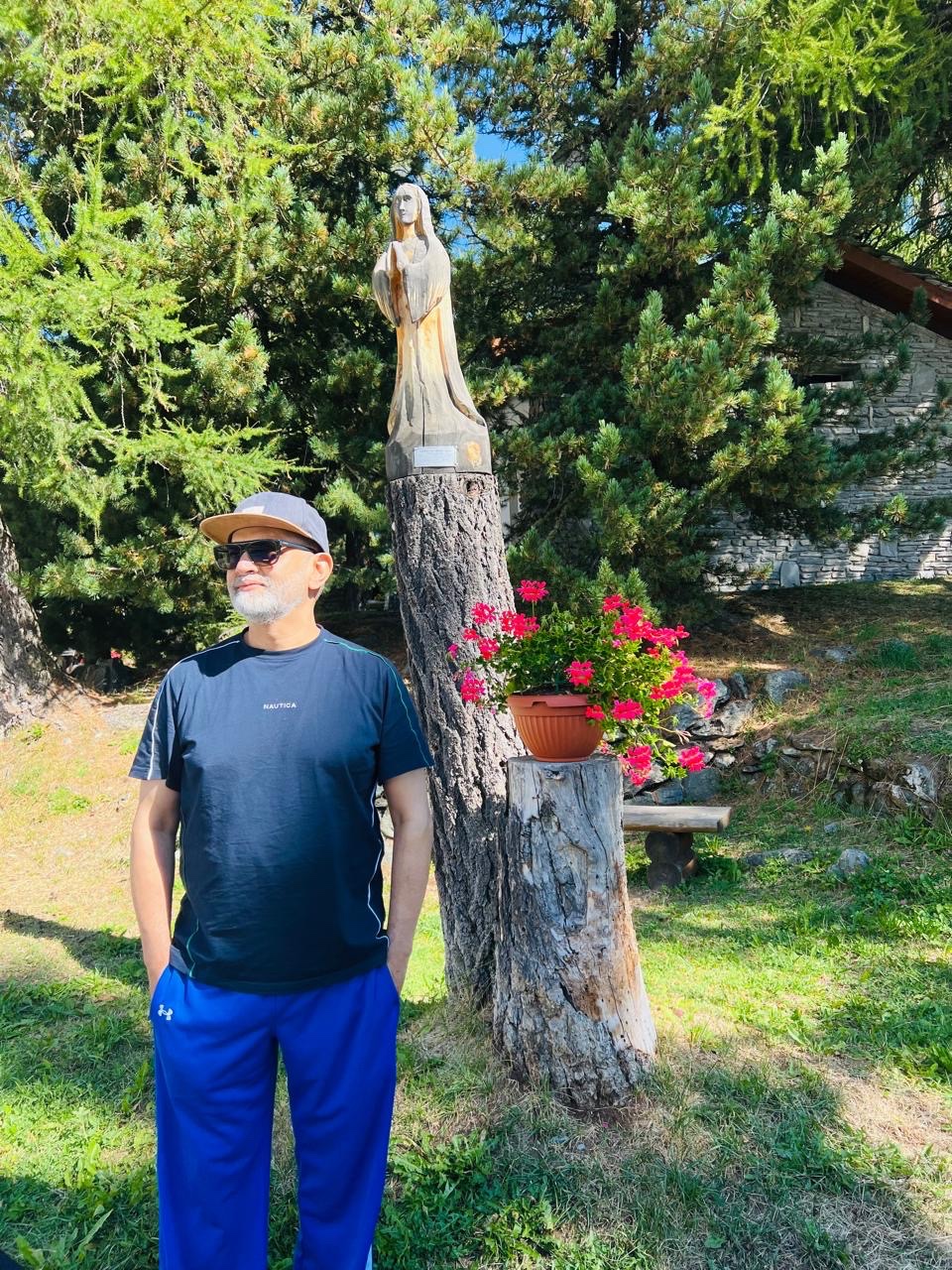
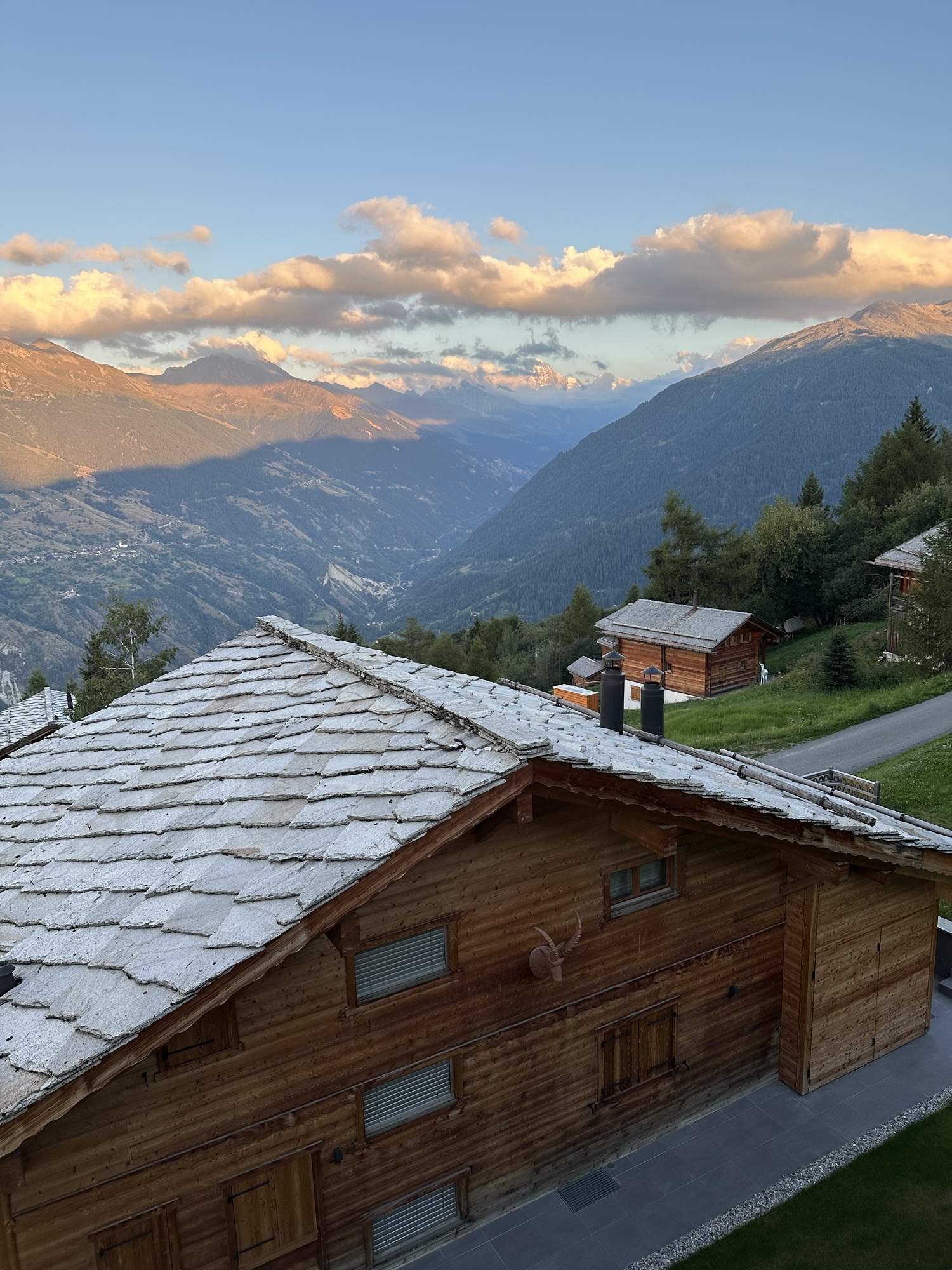
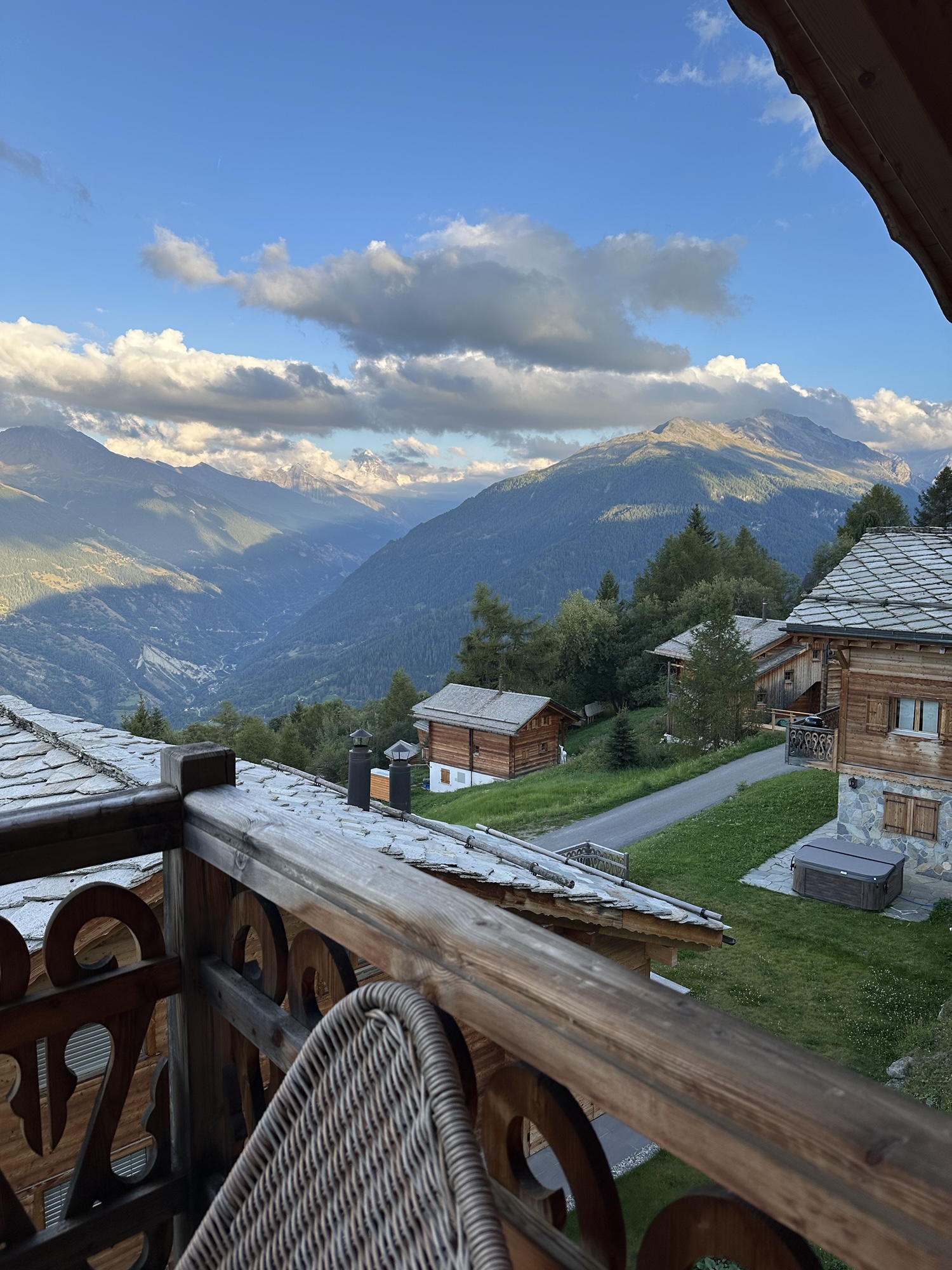
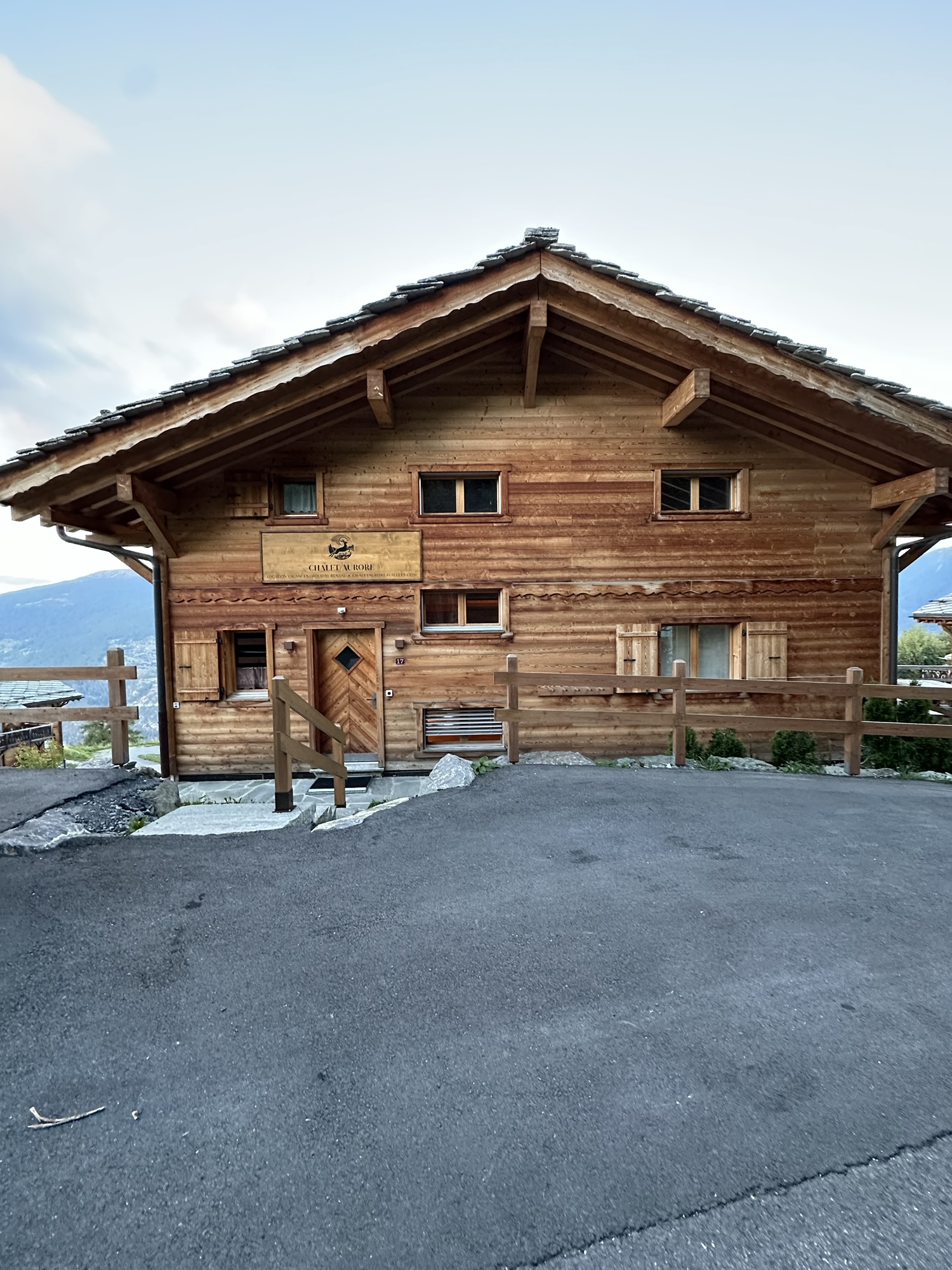
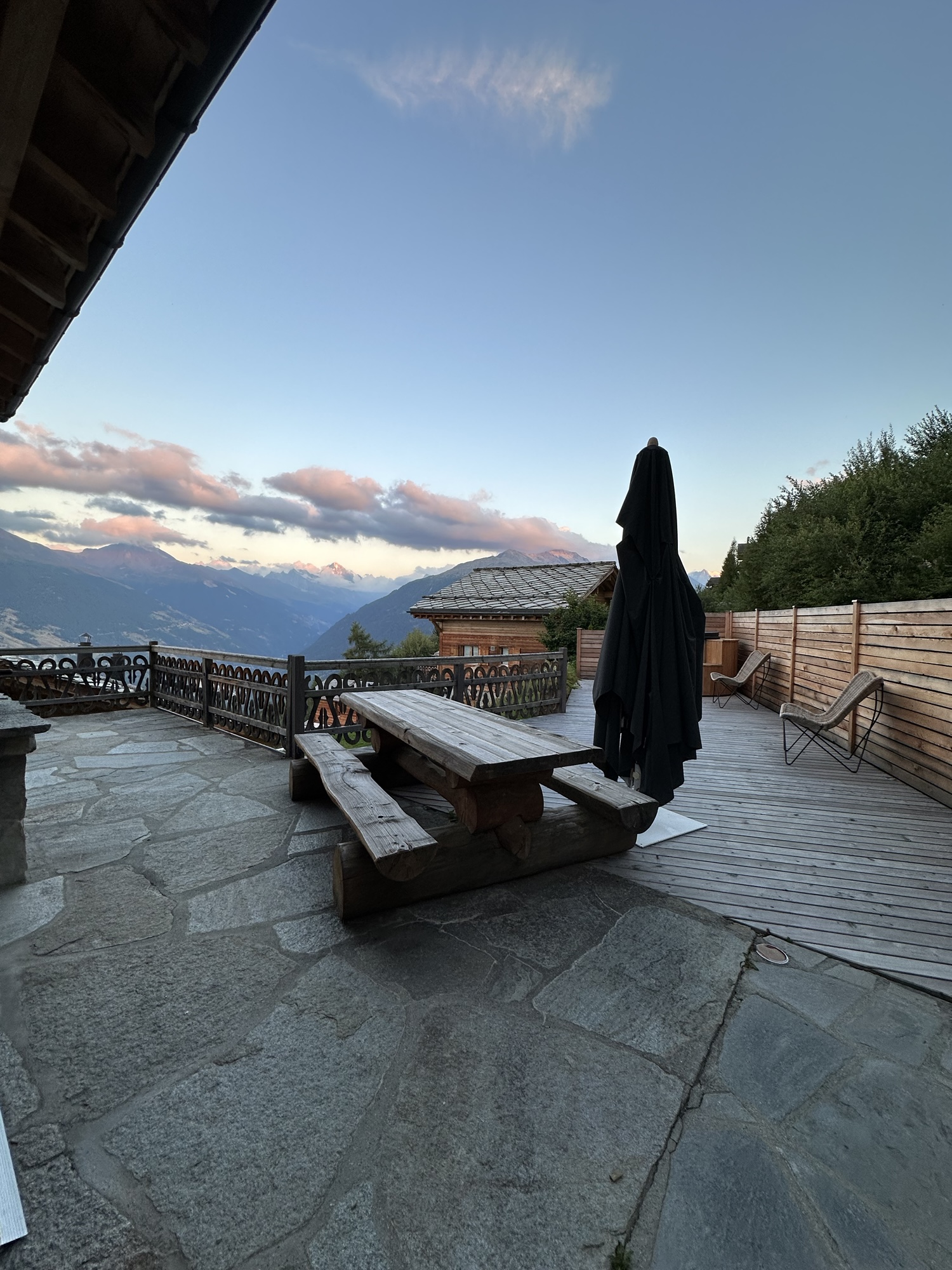
This morning, from our chalet window in Les Collons, the Swiss Alps glowed in that soft light only mountains seem to know. Time moves differently here – slow enough for you to notice how the sun brushes the slopes and how silence has its own music.

At the village store, a local woman helped me find a packet of butter. Every label was in French and German, and she spoke halting English with a lilting German accent. We fumbled over words, laughed, and pointed at shelves until success . Her kindness lingered longer than the scent of the sourdough bread I carried back.

Yesterday, on the flight here, I sat beside a Frenchman who grew up in Bordeaux and now lives in Zurich. He was returning from Jakarta, reading an English book on Indonesia by an anthropologist. We spoke just enough to share his fascination with cultures far from home and my own love for wandering without an agenda. Then silence- comfortable, unforced- settled between us, like an old friend who asks for nothing. And then there was Maria with her radiant smile who served us with genuine joy and told me she had liked the food in Indore, which is the home town of one of her friends in Abu Dhabi. She also recommended the Azures in Portugal ( her home country) for a relaxed holiday in beautiful surroundings – and amazing food. She also told me watching Netflix how she gets to hone her English – which she speaks very well already. I did notice her pronunciation of island – in which ‘s’ was not silent. Cute !

It strikes me how travel is not only about where you go, but the quiet worlds you step into when you linger in small places and chance encounters. Villages where no one rushes, where conversations are soft and smiles are shy; flights where a co-passenger’s presence or the chirpiness of an air hostess, makes you feel more connected to humanity.

Sometimes it’s a conversation, sometimes just a few words, sometimes only a glance. But in these brief encounters there’s a quiet magic. Proof that connection needs no grand language or elaborate introduction.

Up here, in the hush of the Alps, I realise again: a smile is everything.

The invisible hand of philosophy

August 18, 2025

People who pride themselves on their practical view of life often scoff at ‘philosophy’. To them, it is a pastime for professors and dreamers, a collection of abstract arguments that have little to do with the hard ground of reality. Yet what they do not realise is that philosophy is woven into the very fabric of their everyday decisions.

Every time someone decides between telling a hard truth and offering a convenient lie, they are doing ethics. Every time they weigh a career that promises wealth against one that promises fulfilment, they are entering into debates about values that philosophers have wrestled with for centuries. Every time they shake their head and say, “What’s the point of all this?” they are engaging in metaphysics, however unknowingly. And each time they demand “facts” and dismiss “theory,” they are already caught in epistemology – the philosophy of what counts as knowledge, and why.

The irony is that those who dismiss philosophy are never free from it. They simply practise it unconsciously, because without recognising its name or lineage. Philosophy is not so much a specialised subject as it is the scaffolding ( often sub-conscious ) of all our values, attitudes, thoughts, judgements which guide through situations, relationships and questions that practicalities and calculations alone cannot deal with or resolve. Many proverbs and aphorisms which are part of any spoken language and social dictums which are handed down to children by families and communities have underpinnings which are philosophical.

Practicality itself, after all, rests on unspoken philosophical assumptions. When a person claims to be practical, they are making a statement about what they value most – perhaps efficiency, perhaps survival, perhaps comfort. But each of these is a choice framed by deeper questions: Why this and not that? Why value comfort over truth, or survival over justice? These are not trivial puzzles, but fundamental ones, for they determine the direction of a life, or even of a society.

To dismiss philosophy as “impractical” is a little like dismissing language as “ornamental.” One might survive on gestures alone, but clarity, depth, and connection are lost. Philosophy does not dictate what to think – it illuminates how to think, and why certain thoughts are worth having at all.

Perhaps the most practical thing philosophy offers is perspective. In the rush of daily life, it slows us down enough to ask whether we are climbing the right mountain before we celebrate how quickly we are ascending. It teaches us that efficiency without purpose, or achievement without reflection, can leave us with a life that is well-organised but poorly understood.

In the end, philosophy is not a rejection of practicality, but its companion. It ensures that our practicality is not merely the art of doing things right, but also of doing the right things.

Humans are not just socials animals. They are philosophical animals as well. More or less.

—-

To be or not to be

Farewell Raghu – the gentle guardian of dahibara aloo dum

August 16, 2025

An era has ended in Cuttack. Raghu, the humble custodian of the city’s most beloved street food, has passed away. For nearly six decades, his dahibara aloo dum has not merely been food, but a ritual, a memory, and a binding thread across generations of dedicated fans who queued up eagerly for that leaf cone of baras soaked in tangy curd and topped with his fiery aloo dum.

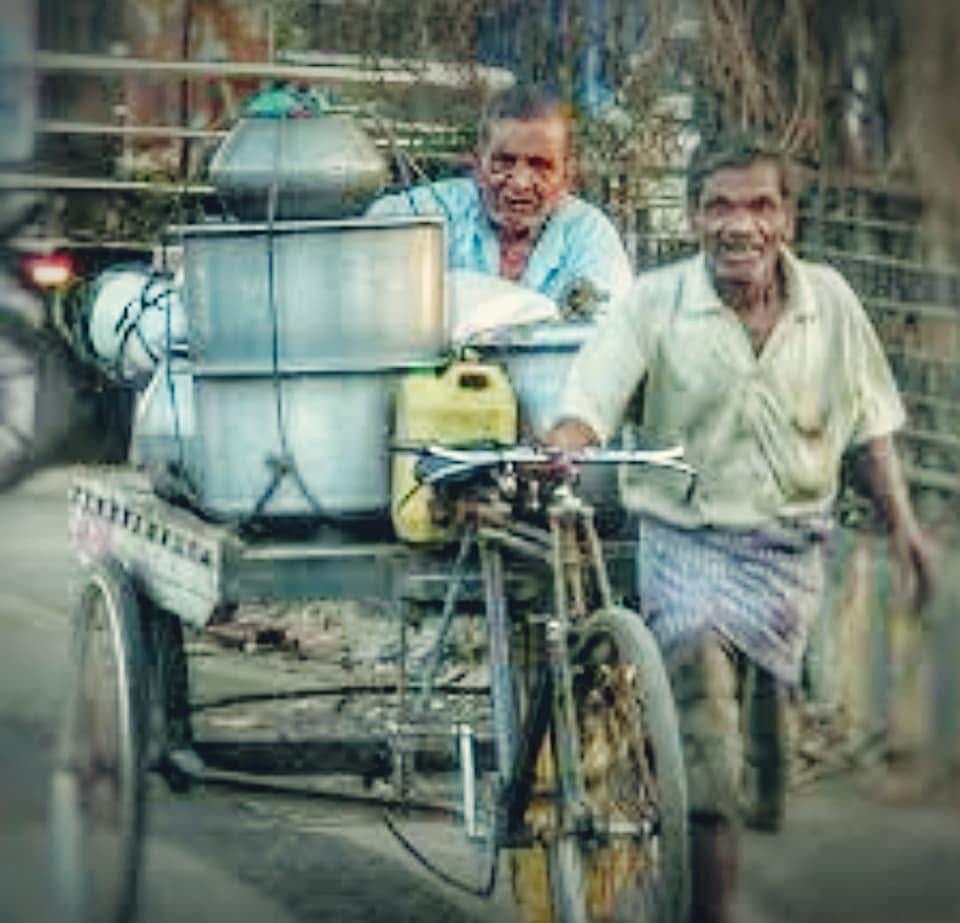
Over the years, little ever changed. Evening after evening, Raghu would arrive punctually at his fixed spot – first near Barabati Stadium when I was in school, and later in Bidanasi – bringing with him a set quantity of dahibara and aloo dum in large aluminium dekchis, carefully balanced on a cycle rickshaw. The aloo dum always retained its warmth till the very last ladle, not because of insulation, but because it vanished so quickly into waiting hands.

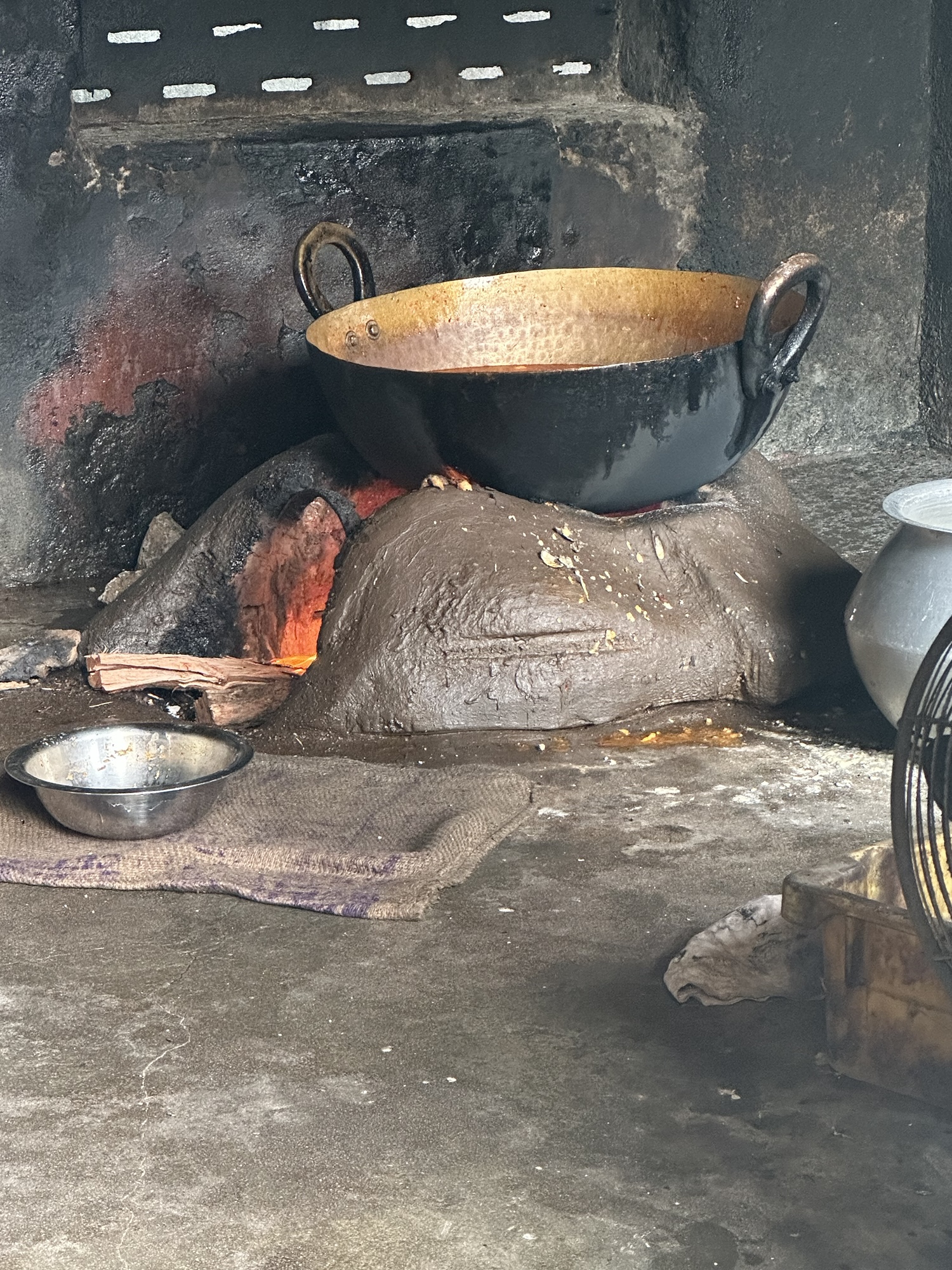
This summer, I finally made a pilgrimage of sorts to his home. A young and enthusiastic guide, Chris, led me down a quiet, winding lane dotted with contemplative cows, to the kitchen where this legendary dish had been prepared day after day, year after year, with unwavering precision. One of his sons was tending to the simmering aloo dum over a crackling wood fire, while another was preparing the paraphernalia for the daily journey to Bidanasi. And there was Raghu himself- bare-chested, in a simple lungi, lying on the floor in gentle repose under the shade of the courtyard. A picture of humility, almost blending into the rhythm of his household, yet filling the space with an unmistakable aura.

The wood fire that gave his aloo dum its earthy warmth, the blackened kadhai that had witnessed countless afternoons of stirring, and the heap of red chillies drying in the sun -all of it transported me beyond the sweltering heat into a state of quiet ecstasy. It felt less like a visit to a kitchen and more like the culmination of a pilgrimage.

Raghu was never one for flamboyance. He let the food speak for him. And speak it did – in the satisfied sighs of teenagers, in the hurried steps of office-goers grabbing a plate before dusk, and in the nostalgia of old Cuttackias returning from afar who felt instantly at home with that first bite. His gentle words and quiet smile became as much a part of the experience as the dahibara aloo dum itself.

Now, Raghu has passed, and with him goes a part of Cuttack’s living heritage. Yet the flame of his legacy will not die. His sons, already carrying forward the craft with care, will ensure the queues remain, the flavours endure, and the tradition continues.

Raghu’s physical presence may no longer grace that lane or his spot in Bidanasi, but his spirit will linger – in the aroma of tangy curd, in the fiery bite of aloo dum, and in the collective memory of a city and its diaspora .

Raghu is gone. But every time someone who has been in his presence , bites into dahibara aloo dum anywhere in the world, Raghu’s quiet, humble aura will be there.

Remembering Raghu Bhaina | His Dahibara Legacy Stays Eternal

Insta: https://www.instagram.com/reel/DNaccqbRtkd/?utm_source=ig_web_copy_link&igsh=MzRlODBiNWFlZA==

FB: https://www.facebook.com/share/r/1BM5aRECNf/

X: https://x.com/MyCityLinks/status/1956675088280932637

YT: https://youtube.com/shorts/l8QdM98v0ro

LinkedIn: https://www.linkedin.com/posts/mycitylinks_raghubhaina-raghudahibara-bhubaneswar-activity-7362441308617039872-Ac6g?utm_source=share&utm_medium=member_desktop&rcm=ACoAABW3lYsBgeWFAHzn4y7-515EANPB53RKQgI

From the Internet
Photo taken by me
From the Internet
From the Internet

The fine line between connoisseurship and snobbery

August 13, 2025

Somewhere along the way, I became the kind of person who can no longer drink instant coffee. It wasn’t intentional. I didn’t set out to become a coffee connoisseur – there was no solemn oath over a French press. It just happened gradually : a single-origin here, a pour-over there, a detour into freshly ground beans with tasting notes like “caramel with a whisper of citrus.”

Now, when someone cheerfully asks, “Tea or coffee?” I am trapped. I want to ask, “What kind of coffee?” but I know the risk. If they say “Nescafé” and I pause- just for a second – I may look like a snob. So I smile and say, “Tea, please,” as though that was my plan all along. Inside, a small part of me weeps for the espresso it might have been.

This is an eternal dilemma: how do you appreciate quality without looking like a snob ? I guess true connoisseurship should be about joy and curiosity, not making other people feel like they’ve failed a test.

The trick, I’ve learned, is to avoid interrogating anyone’s pantry. If you must decline, do it with warmth, not with a lecture on Arabica versus Robusta. Compliment what is on offer – or, in my case, wax poetic about the tea while my inner coffee snob sulks in silence.

Perhaps, in the end, a real connoisseur isn’t defined by what they refuse to eat or drink. They’re defined by their ability to enjoy what’s in front of them. It can be tricky applying this rule to conversations of course – but let’s visit that theme some other time. It is complicated.

—-

Romancing Mumbai

August 11, 2025

I have been a Mumbaikar for over thirty years. The city is in my body now – the pace of my walk on its treacherous footpaths, the tilt of my head in the rain. I have known it as a public servant, as a citizen, as a customer, as a critic.

It is familiar, yet undiscovered. There are so many interesting people I have not met, corners I have not turned, stories I have not heard.  A café hidden behind a shuttered shop. A studio with the smell of turpentine. An improvised theatre where the stage waits in the dark. An art gallery which had popped up over a tiny coffee shop. A hostess who creates with Love and tolerates Fools with a smile.

I have spent enough time with the rich, the powerful, the glamorous, the ‘ connected’.  Enough to know I need less of them.

 I look for the others and find them. Men  and women with sparkling eyes, trusting smiles, dreams and ideas. Those who can tell an original joke. Or talk fondly about their ancestral home in or near Mathura, Amritsar, Panipat, Ajmer, Hazaribagh, Solapur, Parbhani, Sliguri, Puri, Baripada, Darjeeling, Imphal or Pallakad… Or about pickles their grandmother made. Mostly young, not yet jaded, not yet broken.

I guess they speak to me because I am interested. I ask. I listen. Sometimes I nod or smile. Sometimes I mumble. In those moments, the city slows. Its noise falls away. And I am in love with life. 

———